Introduction
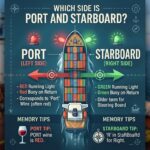
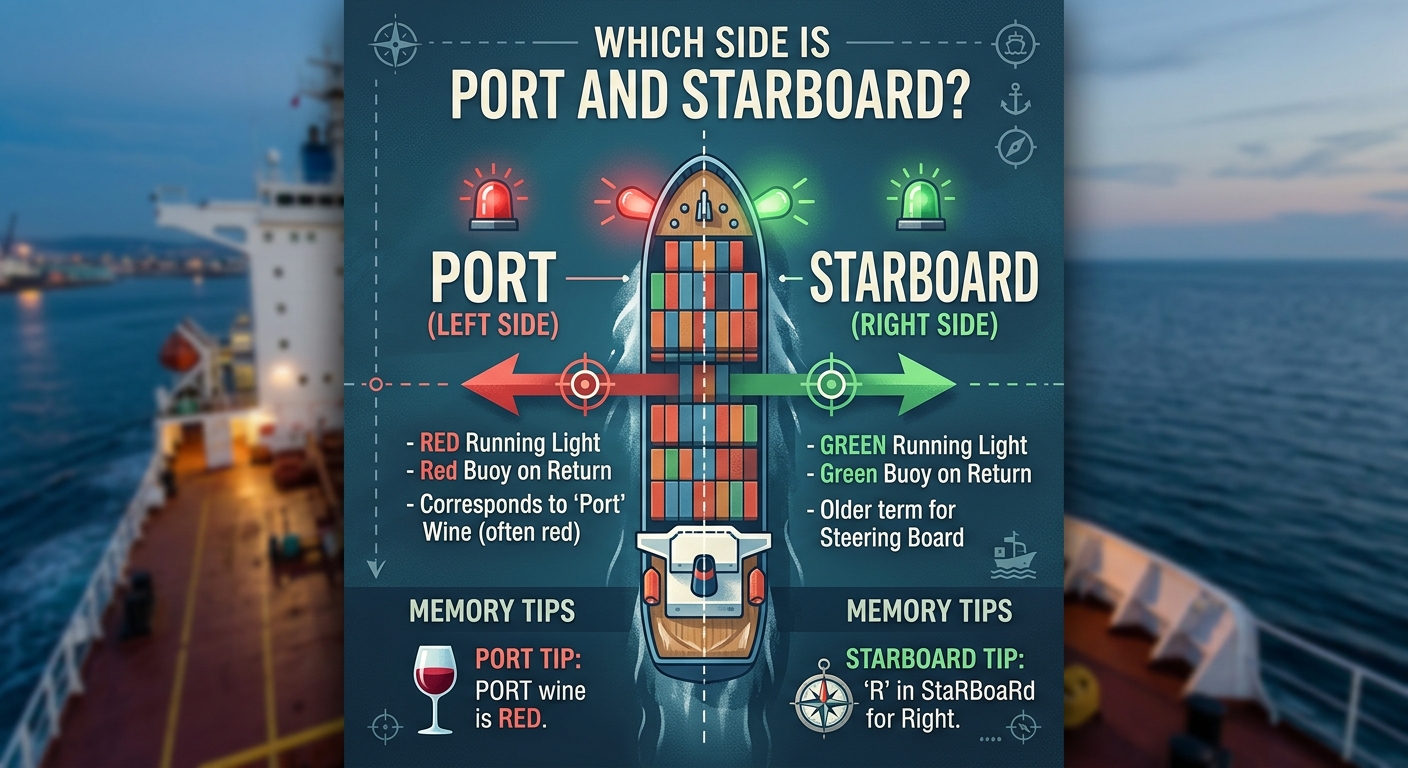
Is port left or right on a ship? Port is the left side of a ship when you face forward toward the bow, which is the front of the vessel. This nautical term helps sailors, passengers, and boat operators identify directions clearly while traveling on the water.
The confusion often occurs because left and right can change depending on which way you face. However, port and starboard always refer to fixed sides of a vessel. Once you understand these terms, you can follow boating instructions, understand navigation lights, and communicate more confidently around ships and boats.
Quick Answer: Is Port Left or Right?
Port is left, and starboard is right when you face the front of a ship.
The bow is the front of the vessel, while the stern is the back. Imagine standing on a boat and looking toward the bow. Your left-hand side is port, and your right-hand side is starboard.
Remember that these directions do not change when you turn around. Port always identifies the vessel’s left side, and starboard always identifies its right side when viewed from the bow toward the stern.
What Does Port Mean on a Ship?
Port refers to the left-hand side of a ship or boat when someone faces forward toward the bow. Sailors use this term to give clear directions during navigation, docking, and other activities on the water.
For example, a captain might tell the crew to look toward the port side. This instruction means they should look at the vessel’s left side, not the left side of a person standing somewhere else.
Port is also important when identifying navigation lights. Under standard maritime conventions, vessels display a red light on the port side. This light helps other vessels understand the direction and position of a boat, especially in low visibility.
Examples of Port in Sentences
- The captain asked the crew to inspect the port side of the vessel.
- We watched another boat pass along our port side.
- The red navigation light indicated the port side.
- The passengers gathered near the port railing to enjoy the view.
These examples show how sailors use port to describe a specific side of a vessel.
What Does Starboard Mean on a Ship?
Starboard means the right-hand side of a ship or boat when facing forward toward the bow. It is the opposite of port and serves the same purpose by making nautical directions clear.
Sailors use starboard when giving instructions, identifying nearby vessels, and describing the position of objects around a boat. Using a standard term prevents confusion when different people face different directions.
Starboard also has a recognizable navigation light. Under standard maritime conventions, the starboard side displays a green light. Together, the red port light and green starboard light help vessels identify one another’s orientation at night.
Examples of Starboard in Sentences
- The captain instructed the crew to check the starboard side.
- A small boat approached from the starboard side.
- The green navigation light marked the starboard side.
- We enjoyed the sunset from the starboard railing.
Understanding starboard makes it easier to follow directions and distinguish the right side of a vessel from the left.
Port vs. Starboard: Key Differences
Port and starboard are both correct nautical terms, but they identify opposite sides of a vessel. The main difference is their position relative to the bow.
| Feature | Port | Starboard |
|---|---|---|
| Meaning | Left side | Right side |
| Reference point | Facing the bow | Facing the bow |
| Navigation light | Red | Green |
| Opposite term | Starboard | Port |
| Common use | Sailing, boating, navigation | Sailing, boating, navigation |
The most important detail is the reference point. Both directions are determined by facing the bow, not by looking at the boat from the shore or standing behind it.
Why Do Ships Use Port and Starboard Instead of Left and Right?
Ships use port and starboard because these terms provide consistent directions regardless of where a person stands or which way they face.
Imagine a captain standing at the back of a boat and telling a crew member to move left. The instruction could be confusing because the captain and crew member might face opposite directions. The word port removes this uncertainty by identifying one fixed side of the vessel.
These terms are especially useful during emergencies, docking operations, and navigation in crowded waterways. Clear communication helps crew members understand instructions quickly without guessing what another person means.
Port and starboard are also used in maritime training, shipbuilding, navigation manuals, and everyday boating conversations.
Where Do the Words Port and Starboard Come From?
The words port and starboard have historical connections to the way sailors operated vessels.
The word starboard comes from an Old English term associated with the side where a ship was steered. Early vessels often used a steering oar on the right-hand side, which helps explain the origin of the term.
The word port is connected to the side used for loading and unloading vessels in port. Historically, this side became associated with the left side of the ship.
The word port also helped replace the older term larboard, which could sound too similar to starboard during spoken instructions. Using port made communication clearer and reduced the risk of misunderstanding.
Today, both terms remain standard parts of nautical language.
How to Remember Whether Port Is Left or Right
Remembering port and starboard is easy when you use a simple memory trick.
Use the Port and Left Trick
The word port contains four letters, and the word left contains four letters. This gives you an easy way to remember that port means left.
Port = Left. Both words have four letters.
Starboard is the opposite side, so it means right.
Remember the Navigation Light Colors
Another helpful method is to remember the standard navigation light colors.
- Port is red and means left.
- Starboard is green and means right.
These colors are commonly used in maritime navigation and can help you identify a vessel’s orientation after dark.
Picture Yourself on a Boat
Imagine standing on a boat and looking toward the front. Your left side is port, and your right side is starboard. Repeat this mental picture whenever you need to remember the difference.
With a little practice, you can identify both sides without stopping to think.
Common Mistakes About Port and Starboard
People sometimes confuse port and starboard because they assume these directions work like ordinary left and right directions. However, nautical terms follow a fixed reference point.
Mistake 1: Thinking Port Changes When You Turn Around
Port does not become starboard when you turn around. It always refers to the left side of the vessel when facing the bow.
Mistake 2: Confusing the Front and Back
The bow is the front of a ship, and the stern is the back. Always identify the bow before deciding which side is port.
Mistake 3: Mixing Up Navigation Light Colors
Port uses a red navigation light, while starboard uses a green navigation light under standard conventions. Mixing up these colors can lead to confusion when identifying vessels.
Mistake 4: Assuming Port Means the Left Side of Every View
Port identifies the vessel’s left side, not necessarily the left side of a photograph, map, or person looking at the ship from the outside.
Understanding the vessel’s orientation prevents these common errors.
When Should You Use Port and Starboard?
Use port and starboard when discussing ships, boats, sailing, navigation, or maritime directions. These terms are especially useful when precise communication matters.
For example, a boating instructor might tell a student to steer toward port or check the starboard navigation light. A crew member might report damage along the port side of a ship.
In everyday conversation, left and right are perfectly acceptable when the meaning is clear. However, port and starboard are preferable in nautical situations because they identify the same side regardless of the speaker’s position.
If you are learning to sail or preparing for a boating course, understanding these terms is a useful first step toward learning more advanced navigation concepts.
Frequently Asked Questions
Is port left or right on a ship?
Port is the left side of a ship when you face forward toward the bow. Starboard is the right side.
Is port always on the left side?
Yes. Port always identifies the vessel’s left side when viewed while facing the bow, regardless of the vessel’s heading or your position around it.
What color is the port side navigation light?
The port side navigation light is red under standard maritime conventions. The starboard side light is green.
How can I remember port and starboard easily?
Remember that port and left both contain four letters. Therefore, port means left, and starboard means right.
Is port the front or back of a ship?
Neither. Port identifies the left side of a vessel. The bow is the front, and the stern is the back.
Why do sailors say port instead of left?
Sailors use port because it provides a consistent reference to the vessel’s left side. Unlike ordinary left and right instructions, it does not depend on which direction a person is facing.
Conclusion
So, is port left or right? Port is left, and starboard is right when facing the bow of a ship. These nautical terms help sailors and boat operators communicate clearly and identify the sides of a vessel without confusion.
Remember the simple trick that port and left both have four letters. You can also use the red port light and green starboard light to reinforce what you have learned. Once you understand these basic directions, recognizing the sides of a ship becomes much easier.