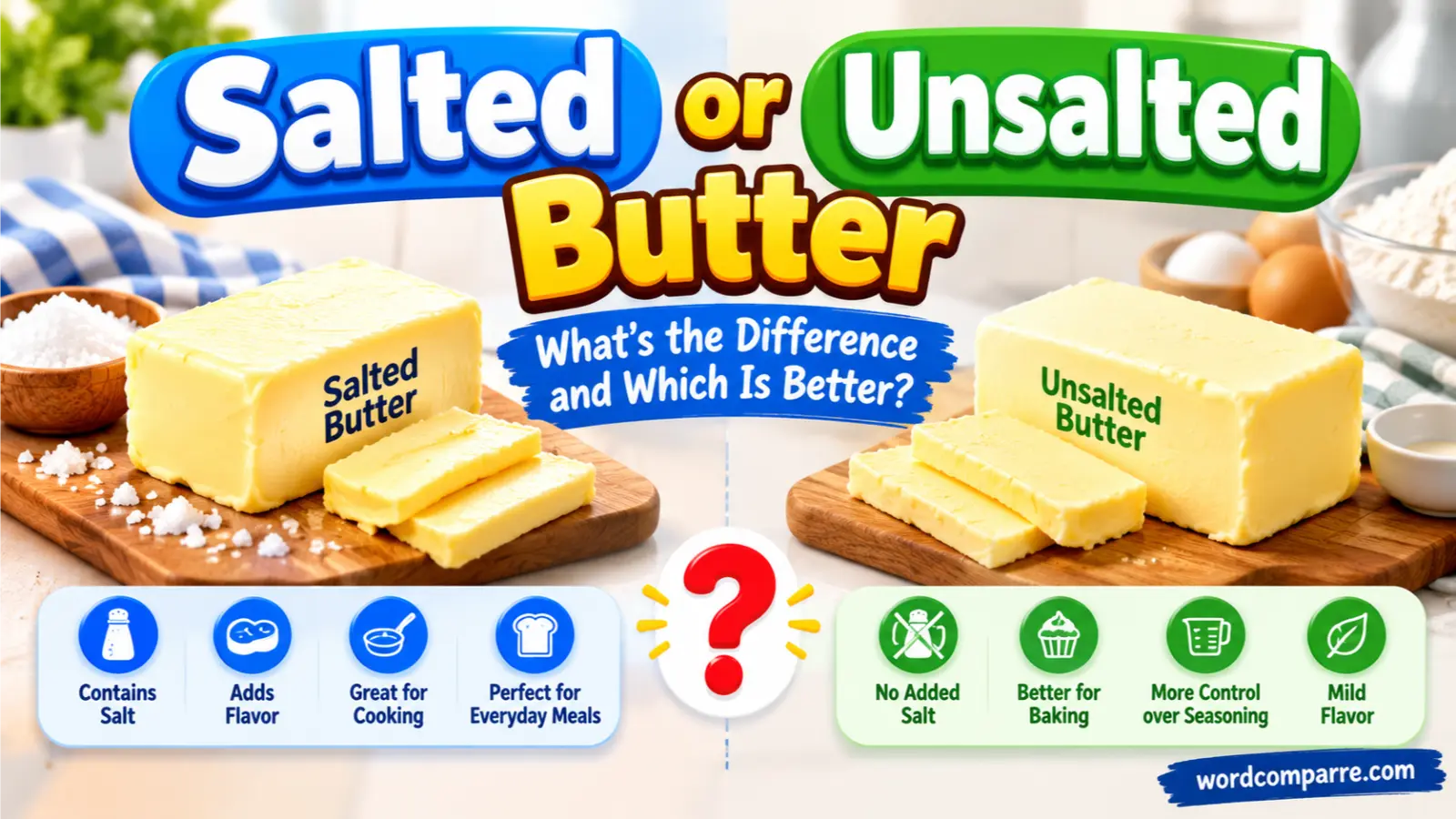
Salted or unsalted butter is a common comparison among home cooks, bakers, and people who enjoy preparing food. Both types of butter provide a rich, creamy texture and delicious flavor. However, the main difference lies in their salt content, which can affect taste, seasoning, and baking results.
Choosing between salted or unsalted butter depends on how you plan to use it. Salted butter works well for spreading, cooking, and adding flavor to everyday meals. On the other hand, unsalted butter gives you greater control over the amount of salt in recipes. Understanding these differences can help you select the right butter for your kitchen.
Quick Answer: Salted or Unsalted Butter?
Both salted and unsalted butter are correct food terms. The difference is that salted butter contains added salt, while unsalted butter has no added salt.
- Salted butter: Contains added salt and provides a naturally salty flavor.
- Unsalted butter: Contains no added salt and offers a more neutral butter flavor.
Unsalted butter is generally preferred for baking because it allows you to control the amount of salt in a recipe. However, salted butter is an excellent option for toast, vegetables, and everyday cooking.
What Is Salted Butter?
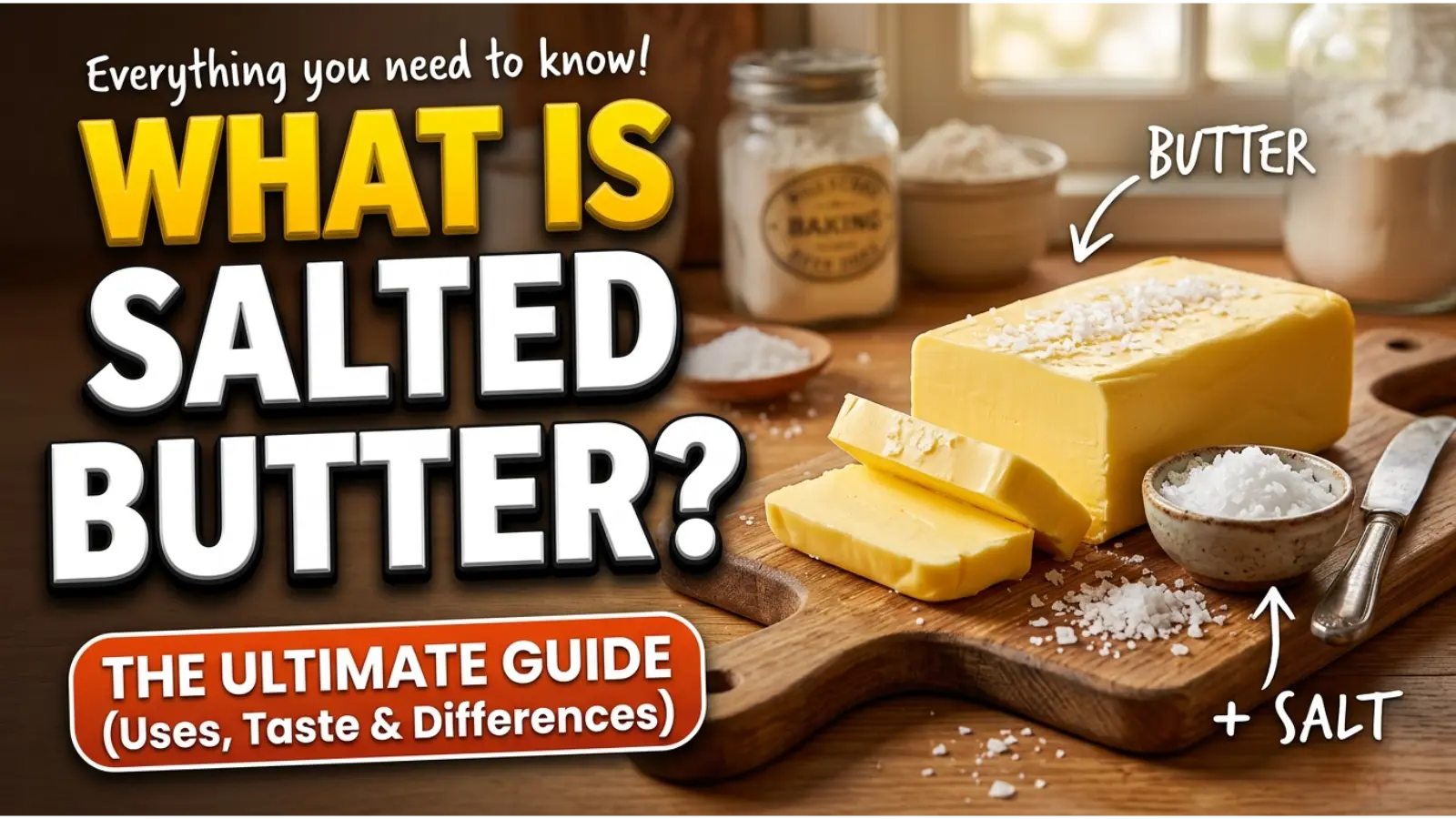
Salted butter is made from cream with salt added during production. The added salt gives it a slightly salty taste that can enhance the flavor of many foods.
People commonly use salted butter for:
- Spreading on toast and bread.
- Cooking eggs and vegetables.
- Making sandwiches.
- Preparing sauces and savory dishes.
- Adding flavor to baked potatoes.
The amount of salt varies between brands. Therefore, checking the nutrition label can help you understand how much sodium each product contains.
What Is Unsalted Butter?
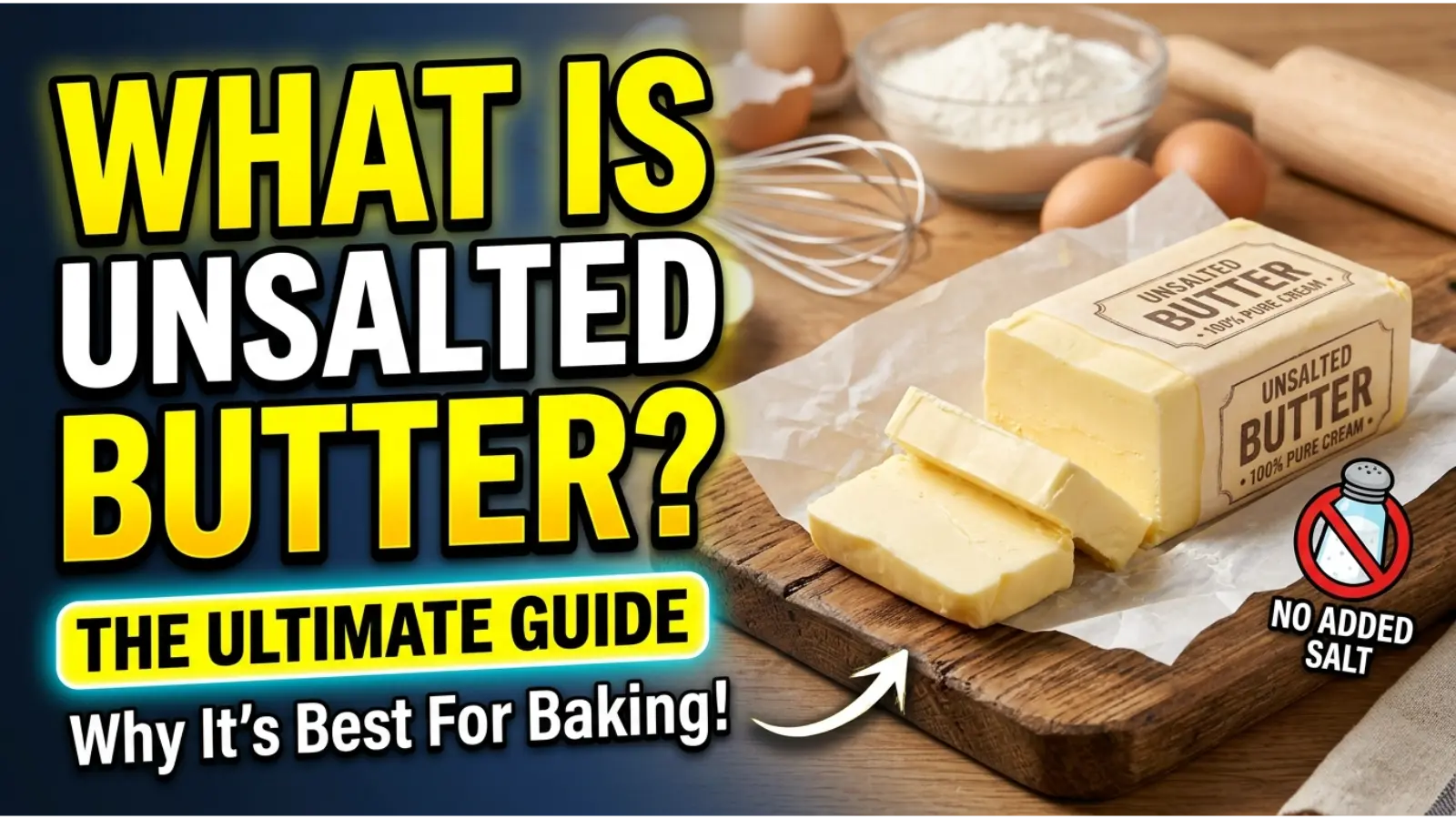
Unsalted butter is made without added salt. It has a creamy texture and a mild flavor that makes it useful in both sweet and savory recipes.
Bakers often prefer unsalted butter because it gives them more control over the salt content of their recipes.
Common uses include:
- Baking cakes and cookies.
- Making pastries and pie crusts.
- Preparing buttercream frosting.
- Cooking sauces.
- Making homemade desserts.
Although unsalted butter contains no added salt, it is not necessarily sodium-free. Small amounts of naturally occurring sodium may remain in the product.
Salted vs. Unsalted Butter: Key Differences
| Feature | Salted Butter | Unsalted Butter |
|---|---|---|
| Added salt | Yes | No |
| Flavor | Slightly salty | Mild and creamy |
| Sodium content | Usually higher | Usually lower |
| Baking control | Less precise | Greater control |
| Toast and bread | Excellent choice | Also suitable |
| Cookies and cakes | Can be used | Often preferred |
| Cooking | Great for everyday meals | Great for controlled seasoning |
| Recipe flexibility | Depends on salt content | Easy to adjust seasoning |
What Is the Difference Between Salted and Unsalted Butter?
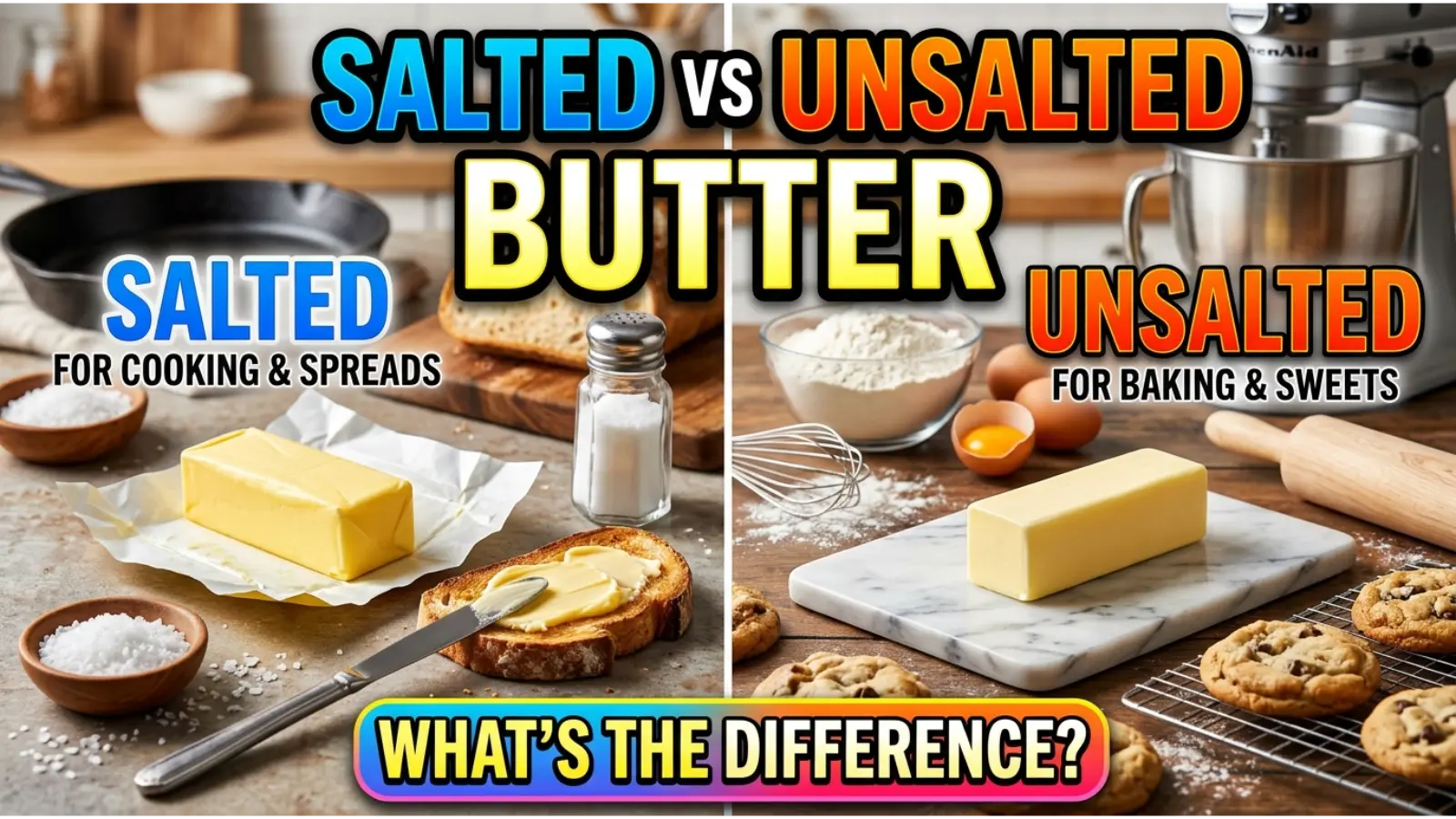
The biggest difference between salted and unsalted butter is the amount of added salt.
1. Taste and Flavor
Salted butter has a slightly salty flavor that can make bread, vegetables, and other foods more enjoyable. The salt also enhances the overall taste of many savory dishes.
Unsalted butter has a milder flavor. As a result, it allows other ingredients to stand out without adding extra salt.
2. Sodium Content
Salted butter generally contains more sodium because manufacturers add salt during production.
Unsalted butter usually contains less sodium. However, the exact amount depends on the product and manufacturing process.
If you monitor your sodium intake, compare the nutrition labels instead of assuming every brand contains the same amount.
3. Baking Performance
Unsalted butter is often the preferred choice for baking because recipes can specify exactly how much salt they need.
For example, cookies, cakes, and pastries require balanced ingredients. Using salted butter without adjusting the recipe may increase the overall saltiness.
However, salted butter can still work in many baked goods when you account for its salt content.
4. Cooking and Everyday Use
Both types work well for cooking. Salted butter adds flavor to vegetables, eggs, pasta, and toast.
Unsalted butter is useful when you want to control seasoning yourself. For example, it works well in sauces where you need to adjust the salt gradually.
Why Do Recipes Often Recommend Unsalted Butter?
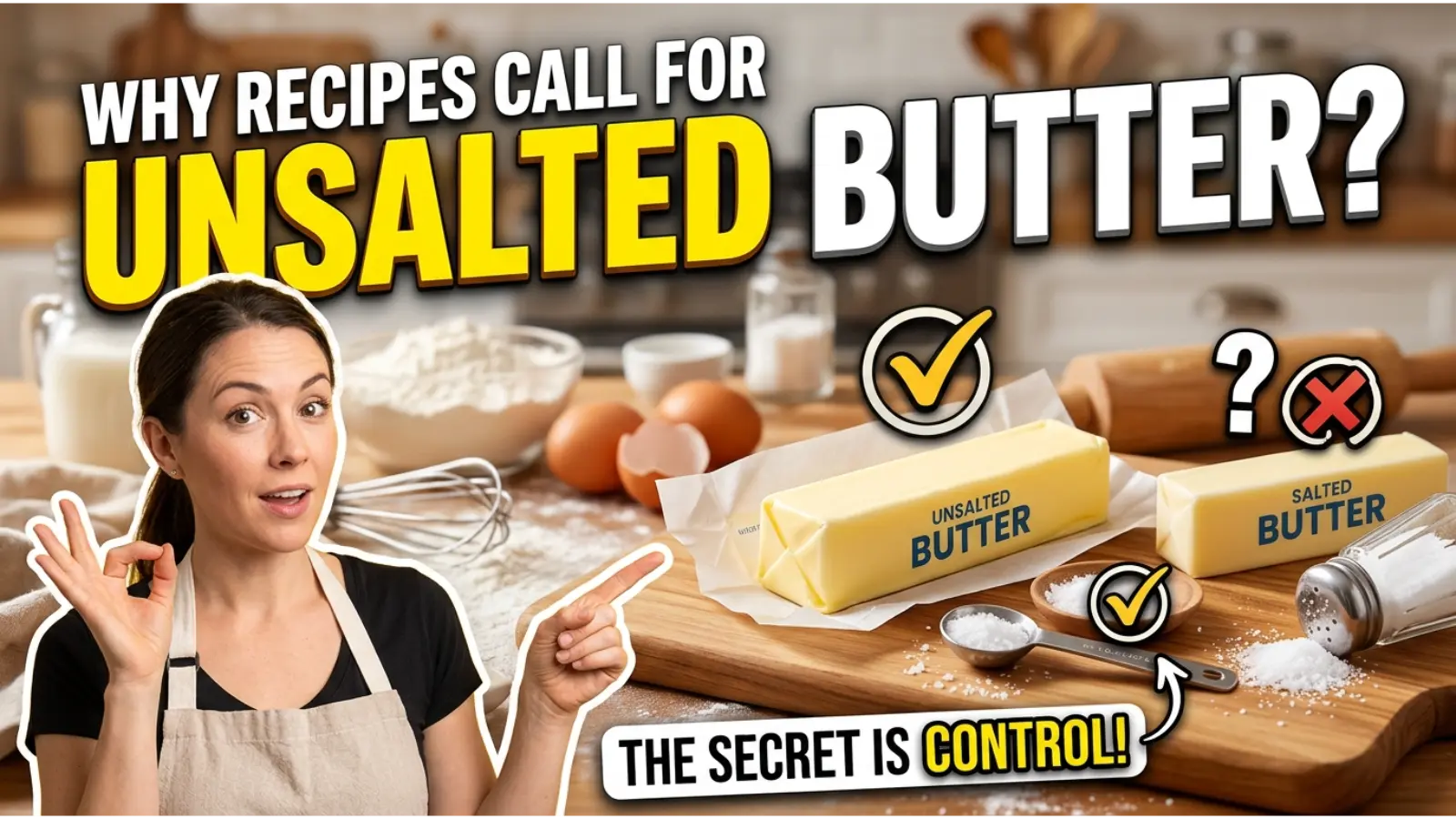
Many recipes recommend unsalted butter because it provides greater control over seasoning.
Different manufacturers add different amounts of salt to their salted butter. Consequently, using salted butter can make the final dish taste saltier than expected.
Unsalted butter gives cooks and bakers a consistent starting point. They can then add the exact amount of salt required by the recipe.
This approach is especially helpful when preparing delicate desserts, pastries, and homemade frosting.
Can You Substitute Salted Butter for Unsalted Butter?
Yes, you can usually substitute salted butter for unsalted butter in many recipes. However, you should adjust the additional salt.
For example, if a cookie recipe requires unsalted butter and a specific amount of salt, you can use salted butter instead. Simply reduce the recipe’s added salt according to the amount of salt in your butter.
Because salt levels vary by brand, check the product label whenever possible.
Can You Substitute Unsalted Butter for Salted Butter?
Yes. Unsalted butter can replace salted butter in most recipes.
However, you may need to add a little extra salt to achieve the intended flavor. Taste savory dishes as you cook and adjust the seasoning gradually.
For baking, follow the recipe’s measurements and avoid adding extra salt without considering the other ingredients.
Which Butter Is Better for Baking?
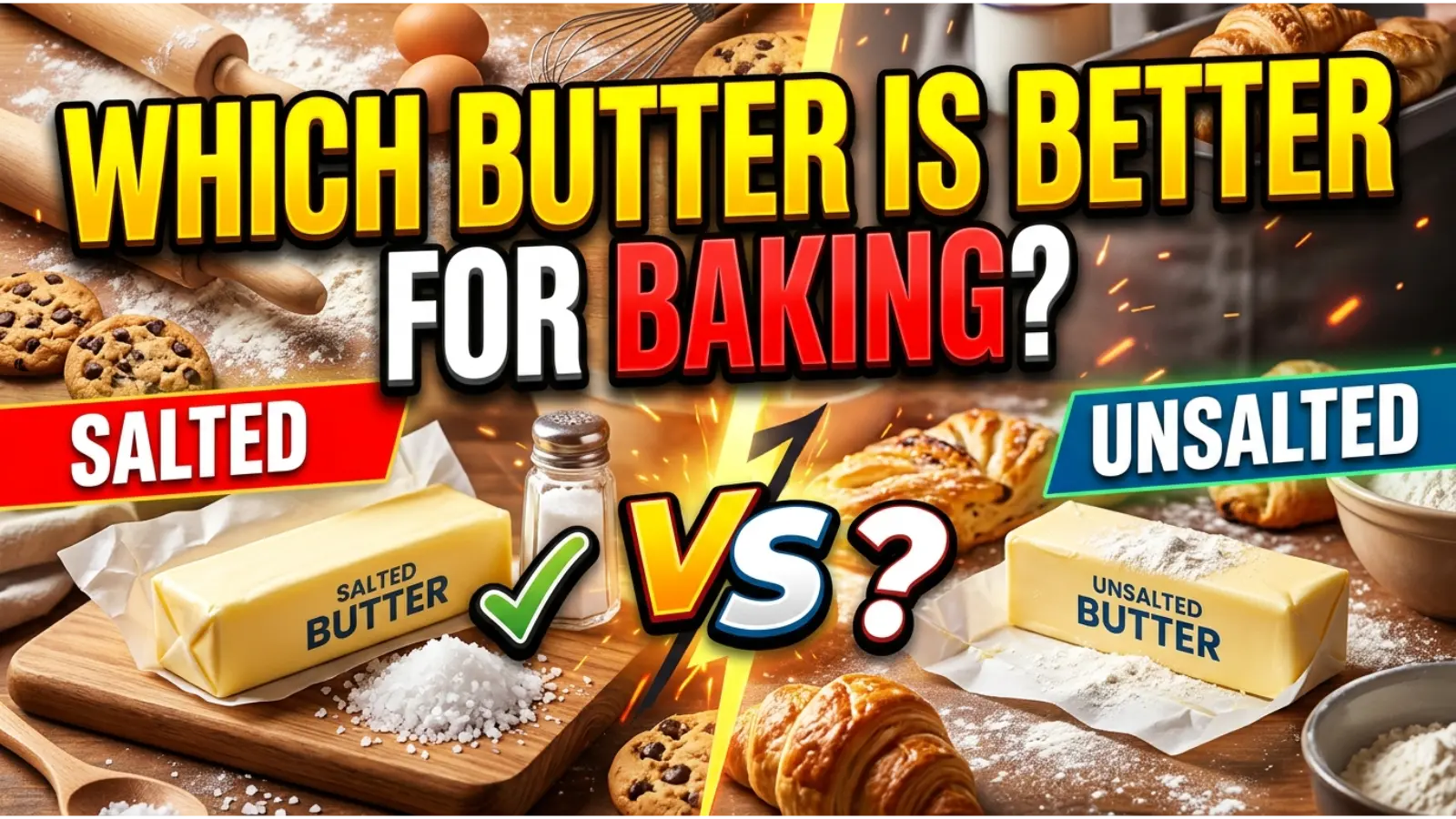
Unsalted butter is generally better for baking because it allows precise control over salt levels.
Consider these examples:
- Cakes: Unsalted butter helps maintain balanced sweetness and seasoning.
- Cookies: It allows you to control the salt that balances the sugar.
- Pastries: It provides greater control over the final flavor.
- Buttercream: It helps create a mild, creamy frosting without unnecessary saltiness.
Nevertheless, salted butter is not unsuitable for baking. You can use it successfully when you adjust the recipe’s salt.
Which Butter Is Better for Cooking?
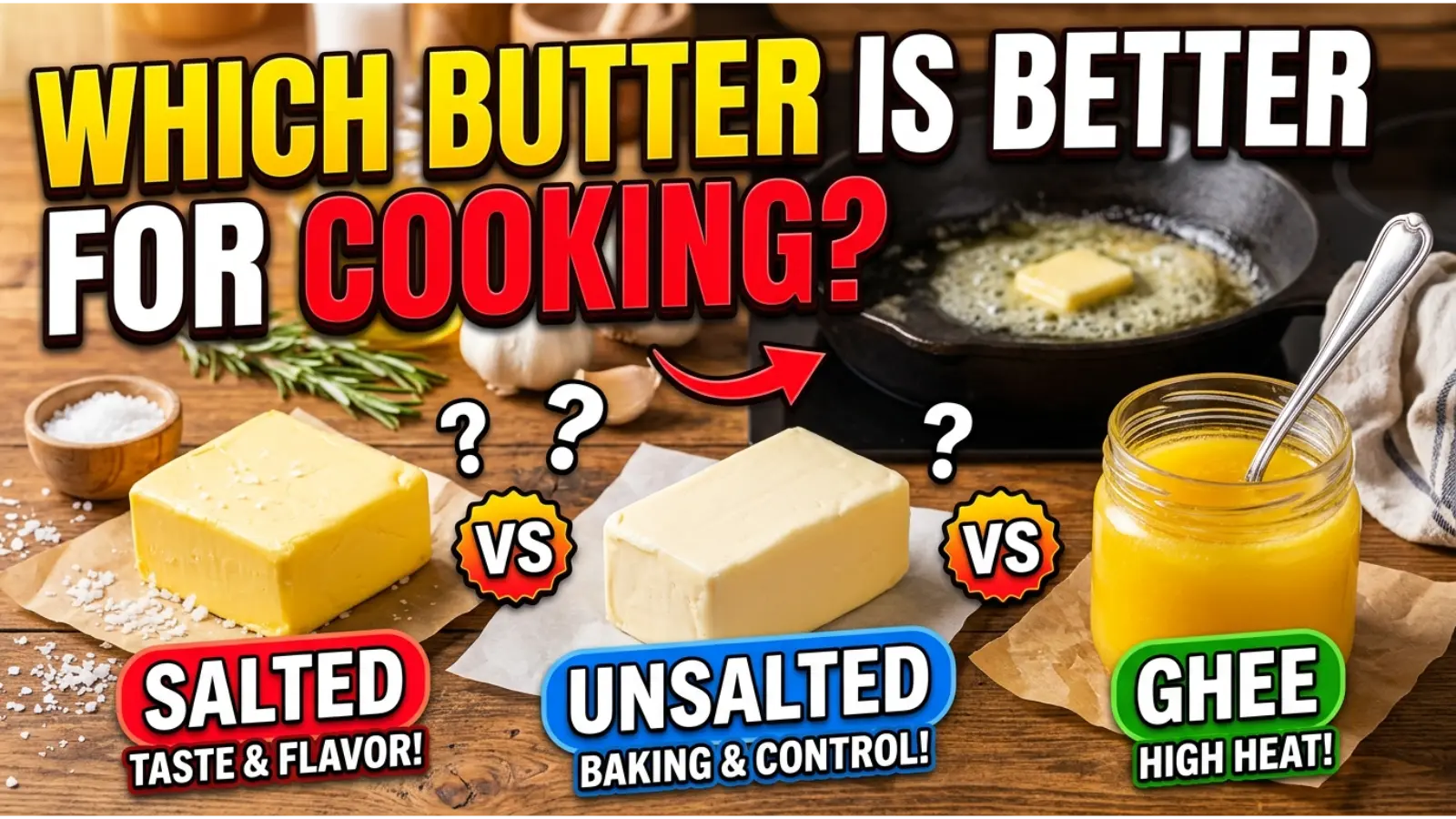
Both types are useful for cooking, but your choice depends on the dish.
Salted butter works particularly well for:
- Scrambled eggs.
- Toasted sandwiches.
- Mashed potatoes.
- Steamed vegetables.
- Baked potatoes.
Unsalted butter works particularly well for:
- Creamy sauces.
- Homemade soups.
- Delicate pasta dishes.
- Recipes that require careful seasoning.
- Dishes where you want to control sodium.
Neither option is universally better. Choose the one that complements your ingredients and cooking method.
Is Salted or Unsalted Butter Healthier?
Neither type is automatically healthier for everyone. Their nutritional differences mainly involve sodium content.
Salted butter generally contains more sodium because manufacturers add salt. Unsalted butter usually provides a lower-sodium option, although its exact nutritional values depend on the brand.
Both varieties contain saturated fat and calories. Therefore, portion size and overall dietary habits matter when deciding how much butter to consume.
If you need to limit sodium for health reasons, read the nutrition label and follow your healthcare professional’s dietary recommendations.
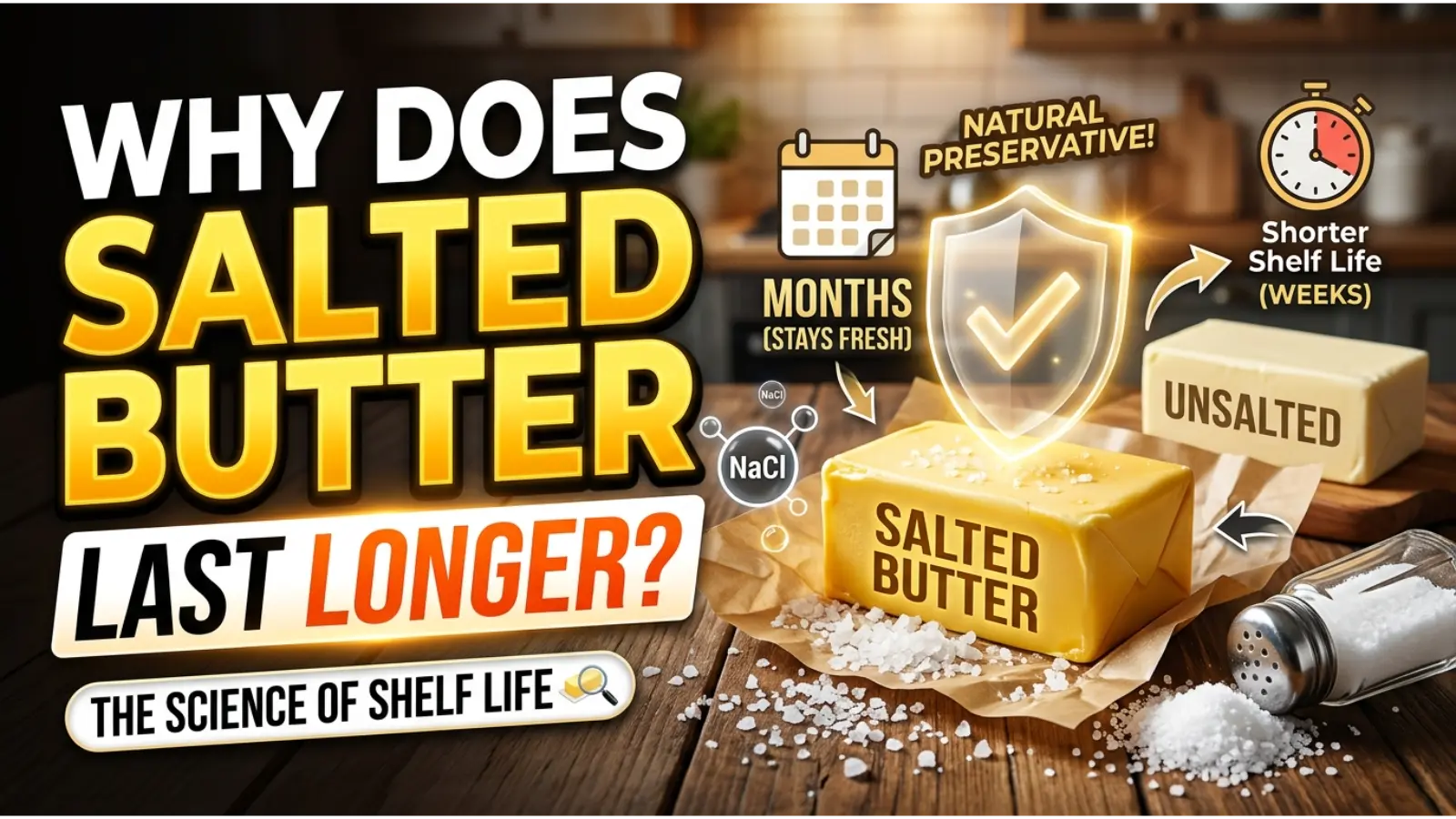
Why Does Salted Butter Usually Have a Longer Shelf Life?
Salt can help slow the growth of certain microorganisms, which is one reason it has historically served as a food preservative.
However, you should not assume salted butter can remain fresh indefinitely or stay safely unrefrigerated. Storage conditions, packaging, and manufacturer instructions still matter.
Always follow the storage guidance on the product packaging.
Origin and Meaning of Salted and Unsalted Butter
The words salted and unsalted describe how manufacturers prepare butter.
Salted combines the word salt with the suffix -ed, indicating that salt has been added.
Unsalted combines the prefix un- with salted. The prefix un- expresses the absence of something, so unsalted means that no salt has been added.
In everyday food terminology, these expressions help customers distinguish between two butter varieties.
In the United States, unsalted butter is also sometimes called sweet butter. This term does not mean that sugar has been added. It refers to butter without added salt.
Common Mistakes When Choosing Salted or Unsalted Butter
People sometimes misunderstand the differences between these butter varieties. Here are a few mistakes to avoid:
- Assuming unsalted means sodium-free: Unsalted butter can still contain small amounts of naturally occurring sodium.
- Using salted butter without adjusting a recipe: This can make baked goods or sauces too salty.
- Believing salted butter is always unhealthy: Overall nutrition depends on the product, portion size, and dietary needs.
- Thinking unsalted butter has no flavor: It still has a rich, creamy butter taste.
- Assuming every brand uses the same salt amount: Salt content varies between products.
Understanding these differences makes grocery shopping and cooking easier.
Memory Trick: How to Remember the Difference
Use this simple trick to remember which butter to choose:
- Salted = Salt Added: Choose it when you enjoy a slightly salty flavor.
- Unsalted = No Added Salt: Choose it when you want greater control over seasoning.
Remember, both types contain butterfat and provide a creamy texture. The main distinction is whether the manufacturer adds salt.
Professional Recommendation: Salted or Unsalted Butter?
For most baking recipes, unsalted butter is the more practical choice because it allows you to control the salt content.
For everyday meals, toast, and savory dishes, salted butter offers convenience and additional flavor.
Professional bakers often choose unsalted butter for consistency. Meanwhile, home cooks may keep both varieties available for different recipes.
Ultimately, consider your recipe, flavor preferences, and dietary requirements before choosing either type.
Frequently Asked Questions
1. Is Salted or Unsalted Butter Better?
Unsalted butter is generally better for baking because it provides greater control over salt levels. Salted butter is convenient for spreading and everyday cooking.
2. Does Unsalted Butter Taste Different?
Yes. Unsalted butter has a mild, creamy flavor without the noticeable saltiness of salted butter.
3. Can I Use Salted Butter Instead of Unsalted Butter in Cookies?
Yes. You can use salted butter in cookies, but you should reduce the additional salt in the recipe to avoid an overly salty result.
4. Is Unsalted Butter Healthier Than Salted Butter?
Unsalted butter usually contains less sodium. However, both types contain saturated fat and calories, so neither is automatically healthier in every situation.
5. Does Salted Butter Contain More Calories?
The calorie difference between salted and unsalted butter is generally very small. Check the nutrition labels for the exact values.
6. Why Do Professional Bakers Prefer Unsalted Butter?
Professional bakers often prefer unsalted butter because it allows them to control the amount of salt in their recipes and maintain consistent results.
7. Can I Use Unsalted Butter on Toast?
Yes. Unsalted butter works well on toast, especially when you prefer a mild flavor or want to control how much salt you add.
8. Is Sweet Butter the Same as Unsalted Butter?
In American grocery terminology, sweet butter often refers to unsalted butter. It does not mean that the butter contains added sugar.
Conclusion
Salted or unsalted butter is a comparison between two popular butter varieties with different salt levels. Salted butter contains added salt and provides a richer salty flavor, while unsalted butter offers a mild taste and greater control over seasoning.
For baking, unsalted butter is usually the preferred choice because it helps maintain consistent results. However, salted butter works wonderfully for toast, vegetables, and everyday cooking.
Ultimately, neither variety is universally better. Choose salted or unsalted butter according to your recipe, personal taste, and nutritional needs.