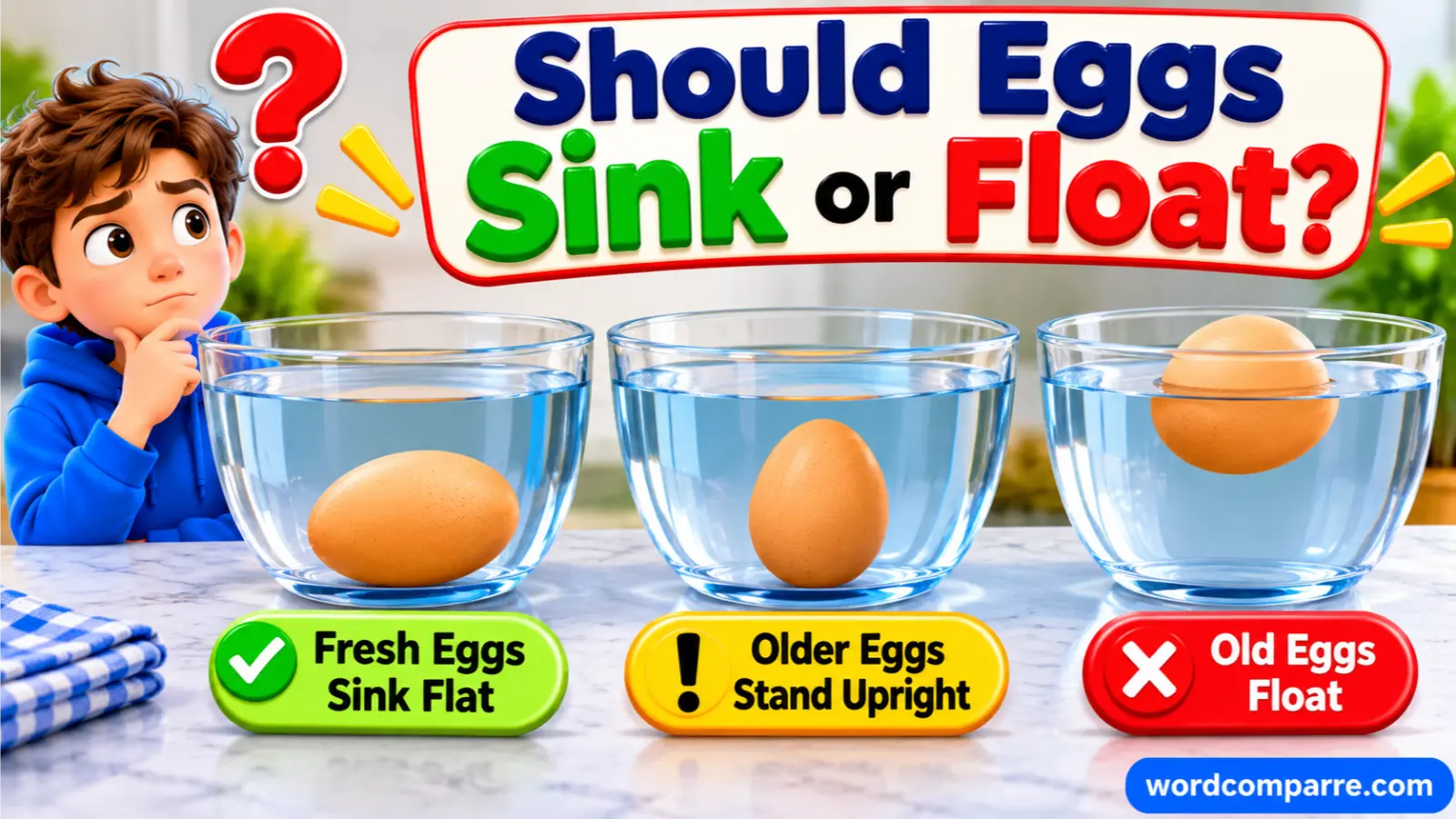
Should eggs sink or float when you place them in a bowl of water? This simple question helps people understand the freshness of eggs and decide whether they need closer inspection before cooking. The egg float test is a popular kitchen method that uses water to show how an egg changes as it ages.
Generally, fresh eggs sink and lie flat at the bottom, while older eggs may stand upright or float toward the surface. However, a floating egg does not automatically mean it has spoiled. In this guide, you will learn how the egg float test works, why eggs change their position in water, and how to check their condition before using them.
Quick Answer: Should Eggs Sink or Float?
Fresh eggs should generally sink and rest horizontally at the bottom of a bowl of water. As eggs age, their internal air pocket becomes larger, which can cause them to stand upright or float.
Here is what each result usually means:
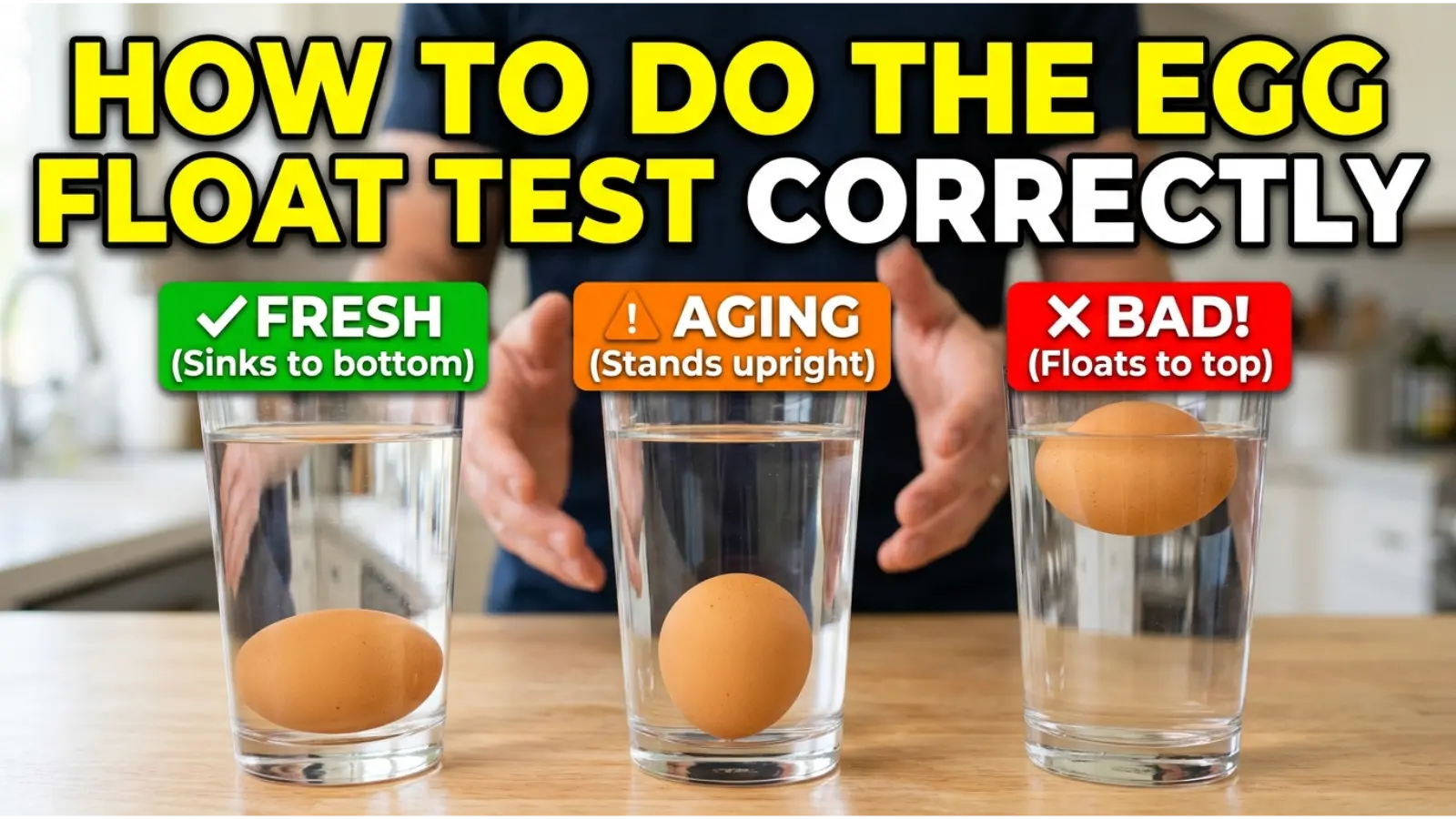
- Sinks and lies flat: The egg is likely fresh.
- Sinks but stands upright: The egg is older and may have reduced quality.
- Floats to the surface: The egg has a larger air pocket and is usually older.
Remember that the float test estimates freshness, not food safety. Even an egg that sinks can contain harmful bacteria.
How Does the Egg Float Test Work?
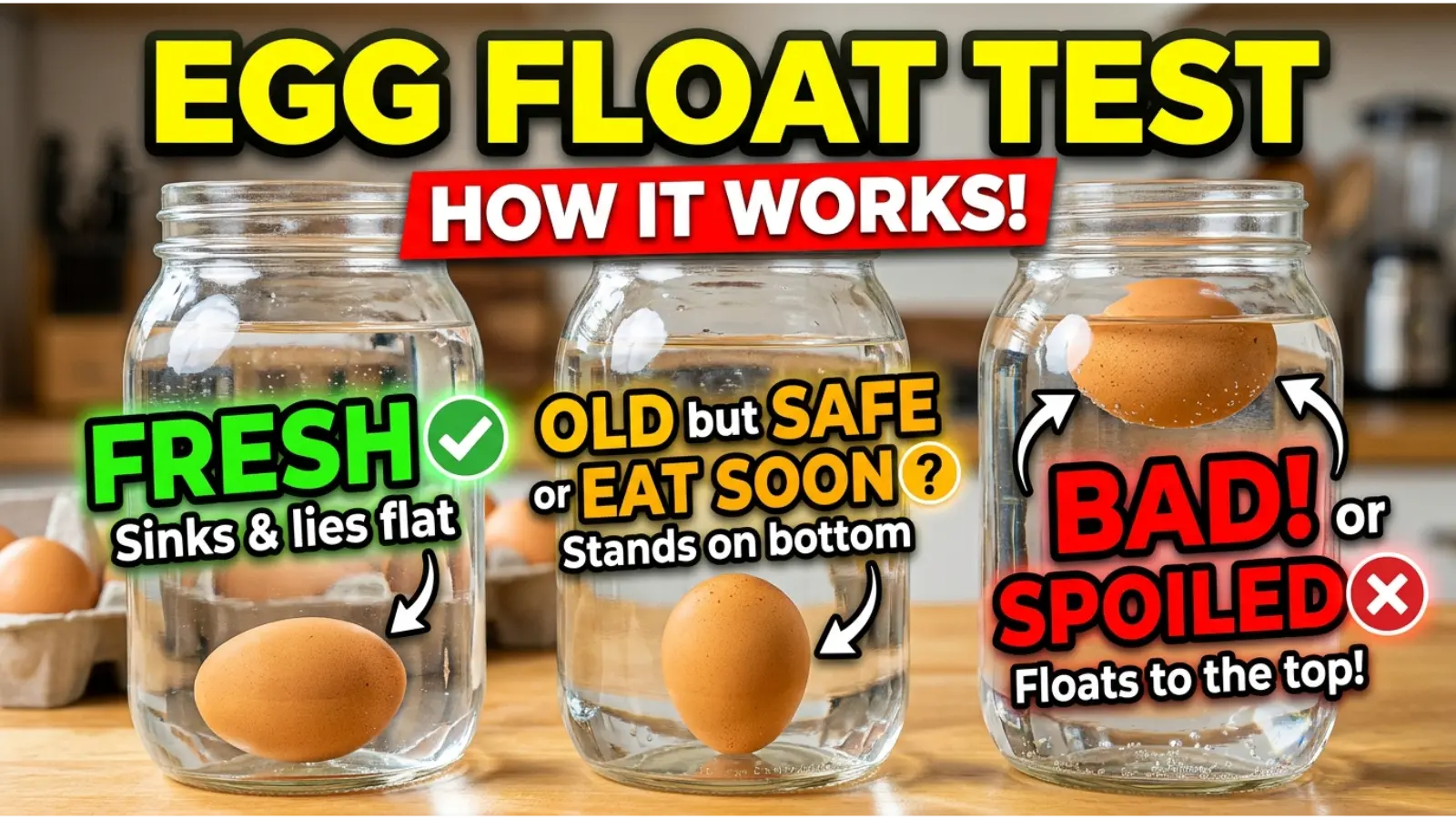
The egg float test works because an egg naturally changes as it ages. Its shell contains tiny pores that allow moisture and carbon dioxide to escape while air gradually enters.
As a result, the air pocket inside the egg becomes larger. This change affects the egg’s overall density and buoyancy.
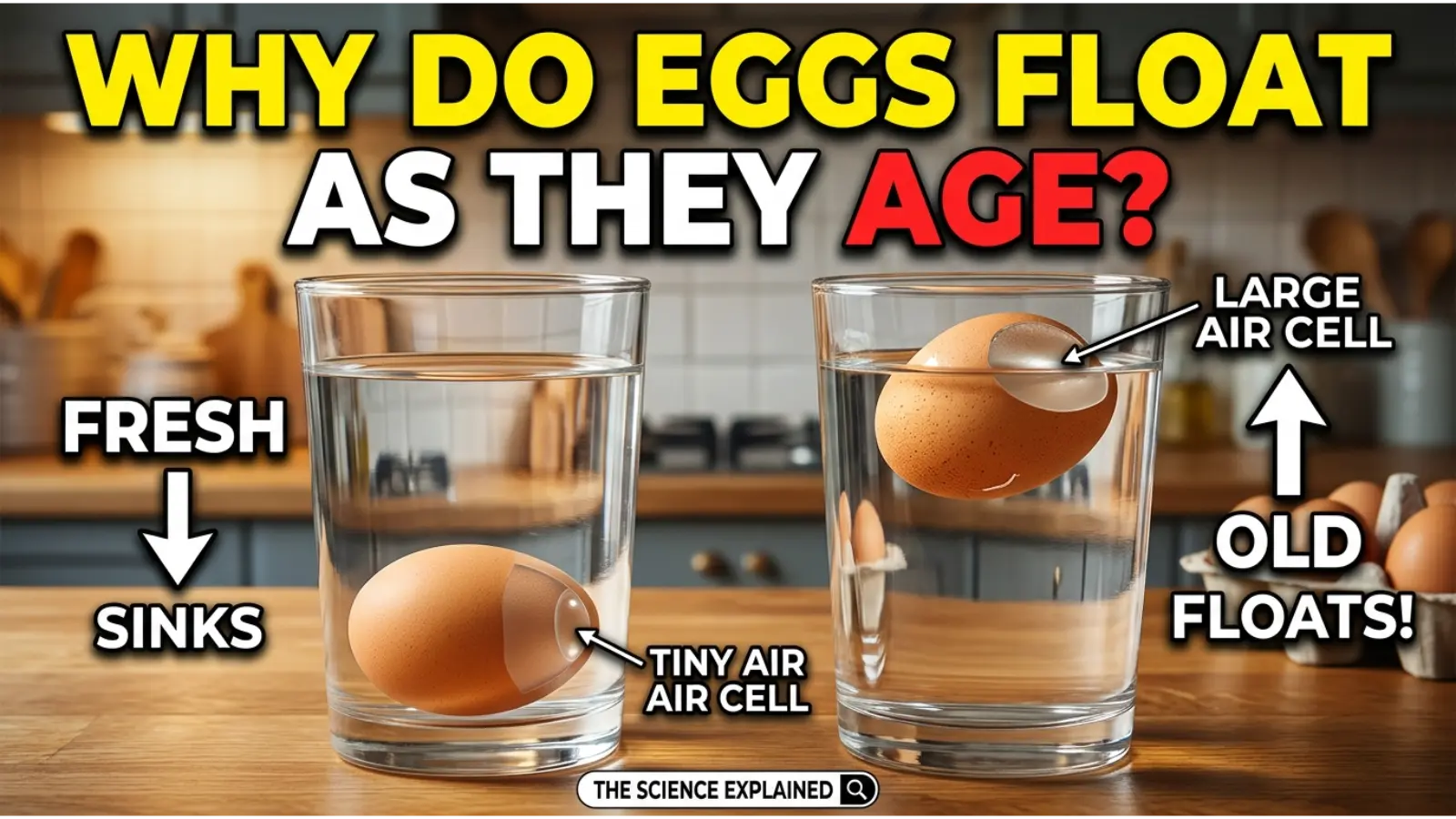
When you place an egg in water, its position depends partly on the size of that internal air pocket. A fresh egg usually sinks because it has a relatively small air cell. An older egg may stand upright or float because its air cell has expanded.
What Do Different Egg Float Test Results Mean?
Understanding the three common results can help you interpret the test correctly.
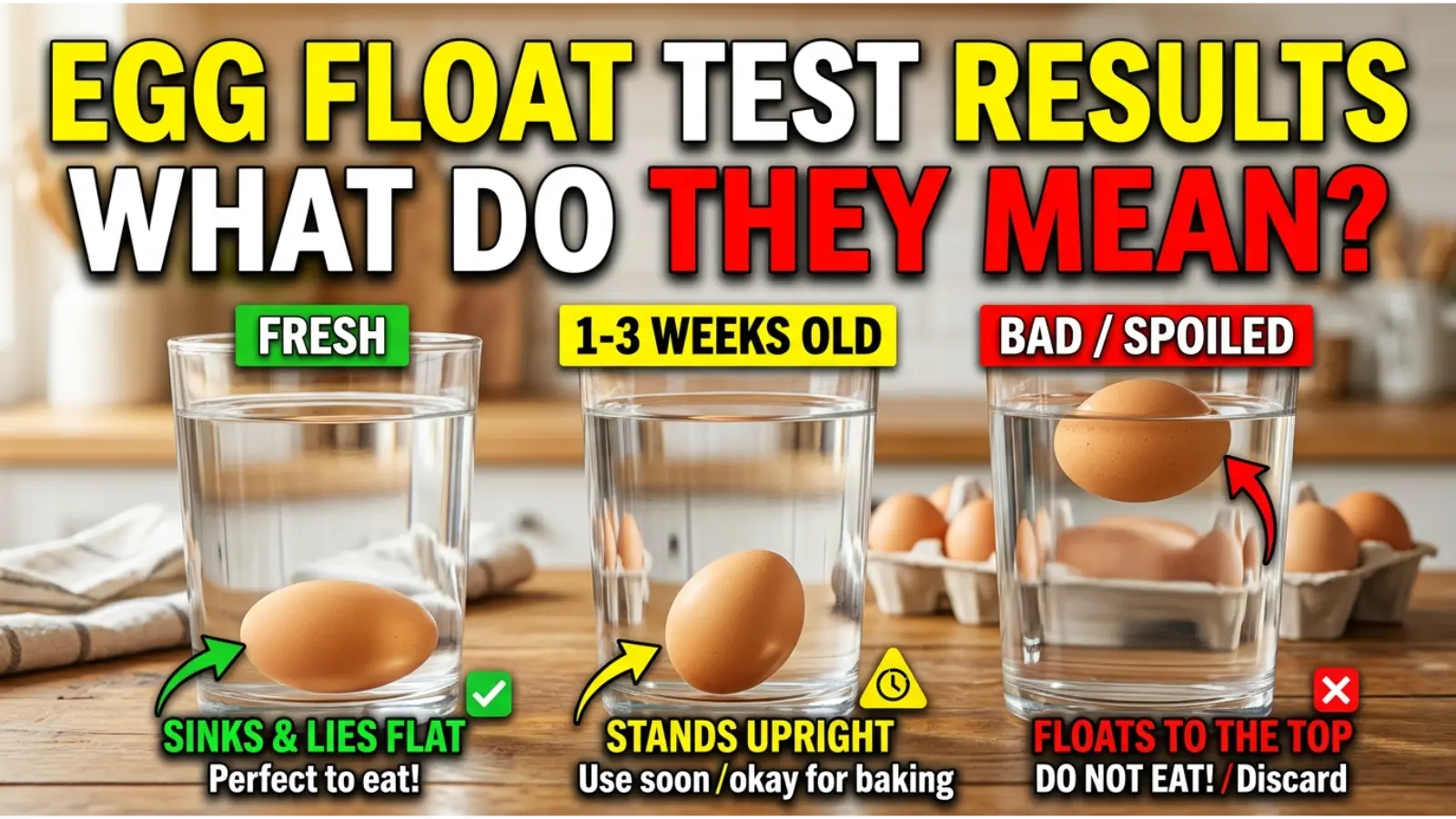
1. Fresh Eggs Sink and Lie Flat
<text> </text>
A fresh egg generally sinks to the bottom and rests on its side. Its internal air pocket remains relatively small, so the egg has enough density to stay submerged.
Fresh eggs also tend to have firm whites and rounded yolks when cracked open. These characteristics indicate good quality, although they do not guarantee that an egg is free from harmful bacteria.
2. Older Eggs Sink but Stand Upright
An older egg may sink but remain upright or tilt slightly at the bottom of the bowl.
This position indicates that its internal air pocket has grown. The egg may still be usable, depending on its storage history and condition.
However, older eggs often have thinner whites and flatter yolks. They may work better in some cooked dishes than in recipes that depend on firm egg whites.
3. Floating Eggs Rise to the Surface
A floating egg has a relatively large air pocket that makes it buoyant enough to rise toward the water’s surface.
This result usually indicates that the egg has lost freshness and quality. Nevertheless, floating does not prove that the egg has spoiled.
The USDA explains that a floating egg may still be safe to use. Crack it into a separate bowl and check for an unpleasant smell or unusual appearance before deciding what to do with it.
Egg Float Test Comparison Table
| Egg Position | What It Usually Means | Freshness |
|---|---|---|
| Sinks and lies flat | Small internal air pocket | Likely fresh |
| Sinks and tilts upward | Larger internal air pocket | Older |
| Stands upright at the bottom | Increased air pocket | Less fresh |
| Floats on the surface | Large internal air pocket | Usually old |
Important: These results describe egg quality and age. They cannot confirm whether an egg is safe to eat.
Why Do Eggs Float as They Age?
Eggs float because their internal air cells gradually expand during storage.
When a hen lays an egg, it contains a relatively small air pocket. As the egg cools and ages, moisture escapes through tiny pores in its shell. Air gradually replaces some of the lost moisture, increasing the size of the air cell.
This process changes the egg’s density. Eventually, an older egg may become buoyant enough to float in water.
Several factors influence how quickly eggs lose quality:
- Storage temperature: Warm conditions can speed up quality deterioration.
- Storage time: Eggs generally lose freshness as time passes.
- Shell condition: Cracks or damage can affect egg quality and safety.
- Refrigeration: Proper refrigeration slows quality deterioration and bacterial growth.
How to Perform the Egg Float Test Correctly
You can perform this simple test at home using a bowl and cold water.
Follow these steps:
- Choose a bowl: Use a clean bowl deep enough to cover the entire egg.
- Add cold water: Fill the bowl with enough water to submerge the egg.
- Place the egg inside: Gently lower the egg into the water.
- Observe its position: Check whether it sinks, tilts, stands upright, or floats.
- Interpret the result: Use its position as a general indication of freshness.
Avoid cracking the egg into the water. Keep the shell intact during the test.

Can You Eat Eggs That Float?
A floating egg is not automatically unsafe to eat. According to the USDA Food Safety and Inspection Service, floating usually indicates an enlarged air cell and reduced egg quality rather than definite spoilage.
However, you should not rely on the float test to decide whether an egg is safe.
If you want to inspect an older egg, crack it into a separate clean bowl. Look for unusual discoloration, unexpected changes in appearance, or an unpleasant odor. Discard eggs that show signs of spoilage.
Most importantly, harmful bacteria such as Salmonella can exist even when an egg looks and smells normal. Therefore, proper storage and thorough cooking remain essential.
Other Ways to Check Egg Freshness
The water test is not the only way to assess egg quality. You can also examine an egg after cracking it open.
1. Check the Smell
A spoiled egg often produces a strong, unpleasant odor when you crack it open. If you notice an unusual smell, discard it rather than tasting it.
2. Examine the Egg White
Fresh eggs generally have thicker whites that stay closer to the yolk. Older eggs often have thinner whites that spread across the bowl.
However, a runny white alone does not prove that an egg has spoiled.
3. Look at the Yolk
A fresh egg usually has a rounded yolk that holds its shape. As an egg ages, the yolk may become flatter and more fragile.
4. Check the Shell
Avoid using eggs with cracked, leaking, or visibly dirty shells. Damaged shells can increase the risk of contamination.
No single appearance or smell test can guarantee food safety. Always consider proper handling, refrigeration, and cooking practices.

How Should You Store Eggs to Keep Them Fresh?
Proper storage helps maintain egg quality and reduces the risk of foodborne illness.
Follow these recommendations:
- Keep eggs refrigerated at 40°F (4°C) or below.
- Store eggs in their original carton.
- Place the carton inside the refrigerator rather than in the door.
- Avoid leaving eggs at room temperature for extended periods.
- Follow the date and storage instructions on the package.
- Refrigerate cooked egg dishes promptly.
The FDA recommends storing eggs in a clean refrigerator at 40°F or below. Proper refrigeration also helps slow bacterial growth.
Common Mistakes When Using the Egg Float Test
Although the egg float test is simple, people sometimes misunderstand its results.
Mistake 1: Assuming every floating egg is rotten.
A floating egg is usually older, but it is not necessarily spoiled. Its floating position mainly reflects the size of its internal air pocket.
Mistake 2: Believing sinking eggs are always safe.
A fresh-looking egg can still contain harmful bacteria. Sinking does not guarantee food safety.
Mistake 3: Using warm or salty water.
Salt changes water density and can affect the test result. Use plain water for a more meaningful comparison.
Mistake 4: Ignoring storage conditions.
An egg’s storage history matters. An egg that has been improperly stored may present a safety risk even if it sinks.
Mistake 5: Tasting an egg to check freshness.
Never taste a questionable raw egg. Examine its condition and follow safe food-handling practices instead.
Memory Trick: Remember What Sinking and Floating Mean
Use this simple memory trick to understand the egg float test:
- Flat at the bottom = Fresh: A small air pocket usually keeps a fresh egg submerged.
- Tilted at the bottom = Older: The air pocket has started to grow.
- Floating at the top = Old: A larger air pocket makes the egg more buoyant.
Remember that this trick helps estimate age, not safety.
Frequently Asked Questions
1. Should Eggs Sink or Float in Water?
Fresh eggs should generally sink and lie flat at the bottom of a bowl of water. Older eggs may stand upright or float because their internal air pockets become larger over time.
2. Does a Floating Egg Mean It Is Bad?
No. A floating egg is usually older and may have lower quality, but floating alone does not prove spoilage. Check its condition and storage history, and remember that smell and appearance cannot rule out harmful bacteria.
3. Can You Eat an Egg That Sinks but Stands Upright?
An egg that sinks but stands upright is generally older than one that lies flat. It may still be usable, but the float test cannot establish whether it is safe.
4. How Long Do Fresh Eggs Last in the Refrigerator?
Properly refrigerated raw shell eggs generally maintain good quality for several weeks. The FDA recommends using refrigerated eggs within three weeks for best quality. Always follow package instructions and proper storage practices.
5. Can a Fresh Egg Float in Water?
Yes, although it is less common. Factors such as a larger air cell or differences in water density can affect buoyancy. Therefore, floating alone cannot establish an egg’s age or safety with certainty.
6. Should You Wash Eggs Before Storing Them?
For commercially washed eggs, follow the package instructions and keep them refrigerated. Avoid unnecessary washing that could damage the shell’s protective surface. If eggs need cleaning, use safe handling practices recommended by your local food safety authority.
7. What Is the Most Reliable Way to Check Egg Safety?
No simple home freshness test can guarantee safety. Proper refrigeration, clean and uncracked shells, appropriate storage dates, and thorough cooking are more reliable food safety practices.
Conclusion
So, should eggs sink or float? Fresh eggs generally sink and lie flat, while older eggs may stand upright or float because their internal air pockets expand over time. The egg float test provides a useful indication of freshness, but it cannot determine whether an egg is safe to eat.
Always consider storage conditions, inspect questionable eggs, and cook them thoroughly. By understanding how the test works, you can make better decisions about egg quality and handle eggs more safely in your kitchen.