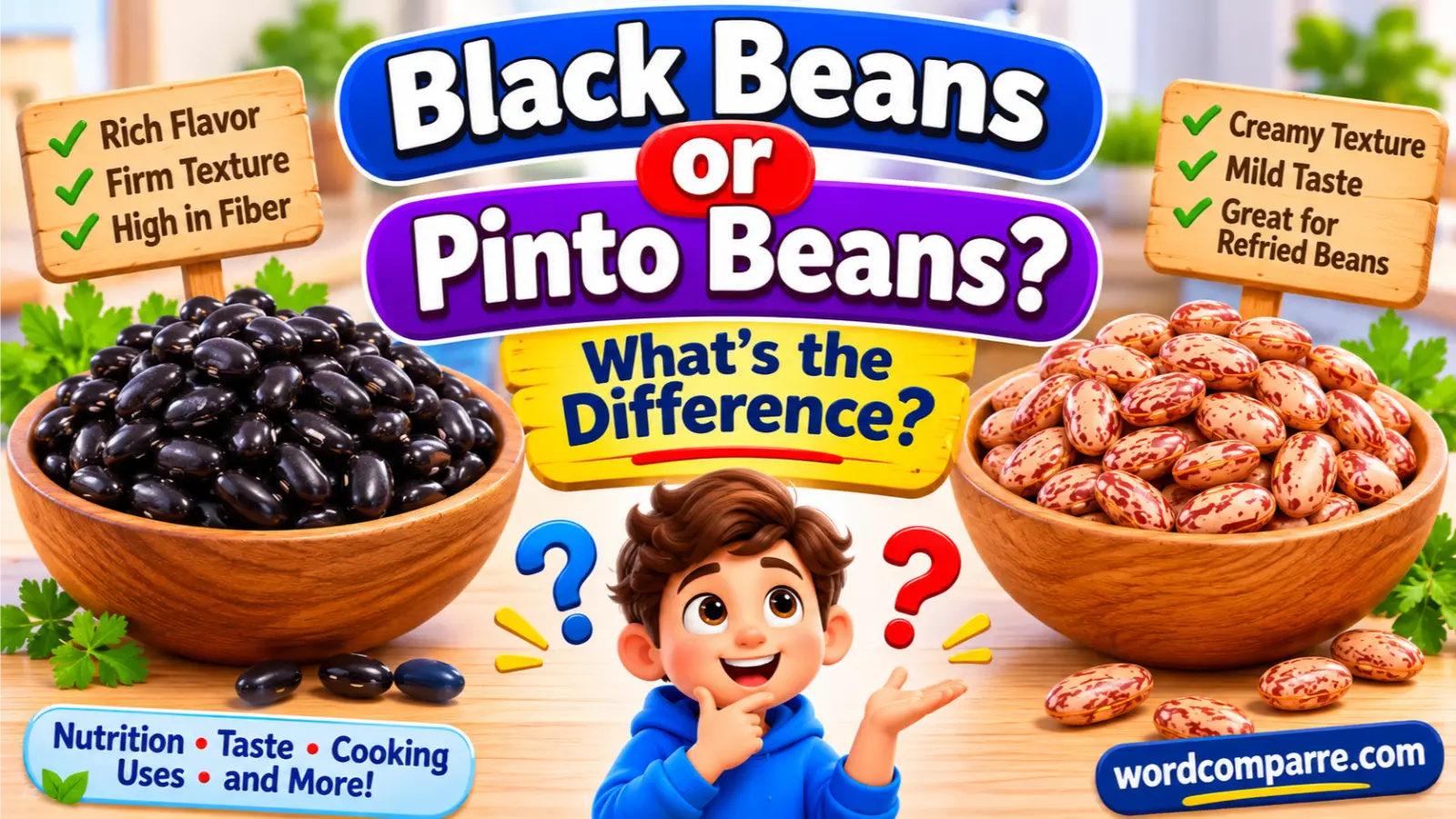
Choosing between black beans and pinto beans can be confusing, especially when a recipe allows either option. Both beans are popular in Mexican, Latin American, and other cuisines. They provide plant-based protein, dietary fiber, vitamins, and minerals. However, they differ in appearance, flavor, texture, cooking time, and nutritional value.
When comparing black beans or pinto beans, the best choice depends on the meal you want to prepare. Black beans have a firm texture and earthy flavor, while pinto beans offer a creamy consistency and mild, nutty taste. Both options can make nutritious additions to everyday meals.
In this guide, you will learn how these beans compare, which one offers more protein and fiber, how they taste, and when to use each variety. By the end, you will know which beans work best for your favorite recipes.
What Are Black Beans?
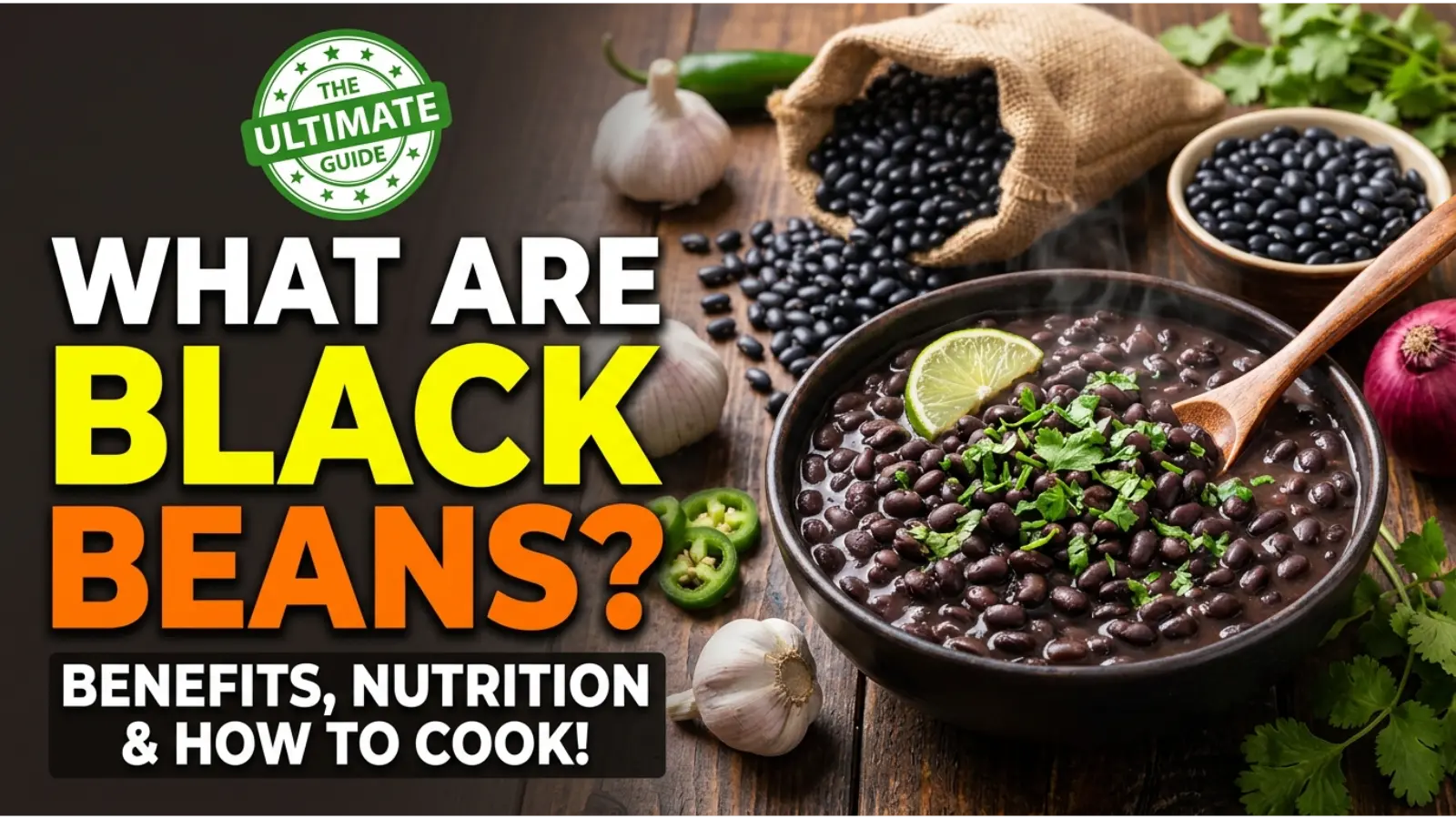
Black beans, also known as black turtle beans, are small legumes with shiny, dark black skins and creamy white interiors. They are widely used in Latin American, Caribbean, and Mexican cooking.
These beans have a rich, earthy flavor with a slightly sweet taste. Their firm texture allows them to maintain their shape after cooking, making them suitable for salads, soups, rice dishes, and burritos.
Black beans also provide several important nutrients, including:
- Plant-based protein
- Dietary fiber
- Iron
- Magnesium
- Potassium
- Folate
- Antioxidants
Their dark color comes from natural plant pigments called anthocyanins. These compounds have antioxidant properties.
Popular Ways to Use Black Beans
Black beans work well in many everyday dishes. For example:
- Add them to rice bowls for extra protein and fiber.
- Mix them into salads for a filling meal.
- Use them in tacos and burritos.
- Add them to vegetable soups and stews.
- Mash them to create bean dips and spreads.
- Combine them with corn, tomatoes, and peppers for a fresh side dish.
Because they hold their shape well, black beans are especially useful when a recipe needs whole, firm beans.
What Are Pinto Beans?
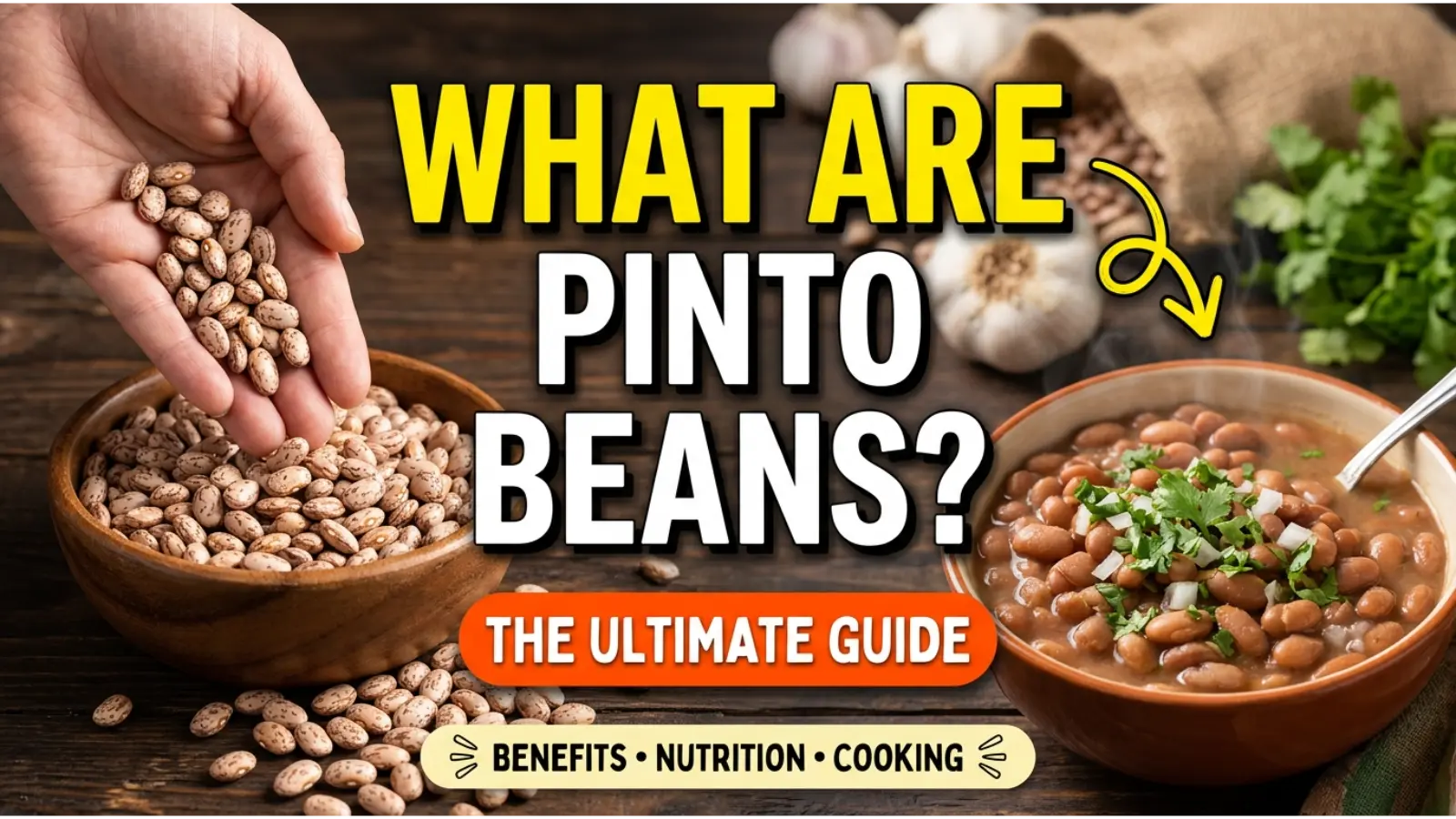
Pinto beans are medium-sized legumes with a light brown or beige background covered in reddish-brown speckles. The word “pinto” comes from Spanish and means “painted,” which describes their spotted appearance.
When cooked, these beans usually become light brown or tan, and their texture turns soft and creamy. They have a mild, earthy, and slightly nutty flavor.
Pinto beans are particularly popular in Mexican and Southwestern American cooking. People commonly use them in refried beans, chili, burritos, and traditional bean dishes.
They also contain several essential nutrients, such as:
- Plant-based protein
- Dietary fiber
- Iron
- Magnesium
- Potassium
- Folate
- Phosphorus
Popular Ways to Use Pinto Beans
Pinto beans are versatile and work particularly well in dishes that benefit from a soft texture.
Common uses include:
- Prepare traditional refried beans.
- Add them to chili and hearty stews.
- Use them as a filling for burritos.
- Mix them into Mexican rice dishes.
- Mash them into creamy bean dips.
- Serve them with vegetables and whole grains.
Their creamy consistency makes them an excellent choice for recipes that require mashed or soft beans.
Black Beans vs. Pinto Beans: Key Differences
Although both varieties belong to the legume family, they have several noticeable differences.
| Feature | Black Beans | Pinto Beans |
|---|---|---|
| Appearance | Shiny black skin | Beige skin with brown speckles |
| Cooked color | Dark black | Light brown or tan |
| Taste | Earthy and slightly sweet | Mild, earthy, and nutty |
| Texture | Firm and creamy inside | Soft and creamy |
| Protein | Around 8.9 g per 100 g cooked | Around 9 g per 100 g cooked |
| Fiber | Around 8.7 g per 100 g cooked | Around 9 g per 100 g cooked |
| Cooking uses | Salads, rice, soups, tacos | Refried beans, chili, burritos |
| Best feature | Holds its shape | Mashes easily |
Both beans offer valuable nutrition. However, their different textures and flavors make them suitable for different cooking purposes.
Taste and Texture: Which Beans Taste Better?
Taste is an important factor when choosing between these two varieties. Although they share some similarities, their flavors are not exactly the same.
Black Beans Taste
Black beans have a rich, earthy flavor with subtle sweetness. Their taste pairs well with garlic, onions, cumin, chili powder, tomatoes, and fresh herbs.
They also maintain a relatively firm texture after cooking. As a result, they work especially well in recipes where you want individual beans to remain visible.
Pinto Beans Taste
Pinto beans have a milder and slightly nutty flavor. They become soft and creamy after cooking, which makes them easy to mash.
Their smooth consistency works beautifully with spices, cheese, salsa, garlic, and other ingredients commonly found in Mexican-inspired dishes.
Which tastes better?
Neither variety is universally better. Choose black beans when you prefer a firmer texture and richer flavor. On the other hand, select pinto beans when you want a mild taste and creamy consistency.
Black Beans or Pinto Beans: Nutritional Comparison
Both varieties provide essential nutrients and can support a balanced diet. However, their nutritional values vary slightly.
The following table compares approximate nutrients in one cup of cooked, unsalted beans.
| Nutrient | Black Beans | Pinto Beans |
|---|---|---|
| Calories | 227 | 245 |
| Protein | 15.2 g | 15.4 g |
| Carbohydrates | 40.8 g | 44.8 g |
| Dietary Fiber | 15 g | 15.4 g |
| Fat | 0.9 g | 1.1 g |
| Iron | 3.6 mg | 3.6 mg |
| Magnesium | 120 mg | 85 mg |
| Potassium | 611 mg | 746 mg |
| Folate | 256 mcg | 294 mcg |
Values are approximate and may vary depending on the bean variety, preparation method, and cooking conditions.
Which Beans Have More Protein?
Pinto beans and Frijoles Negros provide almost the same amount of protein per cooked cup. Pinto beans contain approximately 15.4 grams, while Frijoles Negros provide around 15.2 grams.
Both are useful plant-based protein sources. Pairing them with whole grains, nuts, seeds, or other protein-rich foods can help create balanced meals.
Which Beans Have More Fiber?
Pinto beans contain slightly more dietary fiber per cooked cup than Frijoles Negros. However, the difference is very small.
Both varieties support digestive health because dietary fiber helps maintain regular bowel movements and supports beneficial gut bacteria.
Which Beans Have More Calories?
Frijoles Negros generally contain slightly fewer calories per cooked cup than pinto beans.
However, preparation matters. Adding cheese, butter, oil, bacon, or high-calorie sauces can significantly change the nutritional value of either dish.
Which Beans Are Healthier?
Both beans are nutritious choices. Frijoles Negros provide more magnesium per cooked cup, while pinto beans offer slightly more potassium and folate.
Instead of choosing one as universally healthier, consider your dietary needs, meal preferences, and overall eating habits.
Cooking Time and Preparation Differences
Frijoles Negros and pinto beans require similar preparation methods, although cooking times can vary depending on their age, soaking time, and cooking equipment.
How to Cook Black Beans
Follow these simple steps:
- Sort the beans and remove small stones or damaged pieces.
- Rinse them thoroughly under running water.
- Soak them in water overnight if desired.
- Drain and add fresh water to a cooking pot.
- Bring the water to a boil.
- Reduce the heat and simmer until the beans become tender.
- Drain any excess water and season according to your recipe.
Soaked black beans often take approximately 60–90 minutes to cook on the stovetop. Unsoaked beans may require longer.
How to Cook Pinto Beans
Pinto beans follow almost the same cooking process.
- Check the beans for unwanted debris.
- Rinse them with clean water.
- Soak overnight if you want to reduce cooking time.
- Place them in a pot with fresh water.
- Bring the water to a boil.
- Lower the heat and simmer until soft.
- Add your preferred seasonings.
Soaked pinto beans commonly take around 60–90 minutes to cook on the stovetop, although actual times vary.
Important cooking tip: Always cook dried beans thoroughly. Do not eat raw or undercooked beans.
Can You Substitute Black Beans for Pinto Beans?
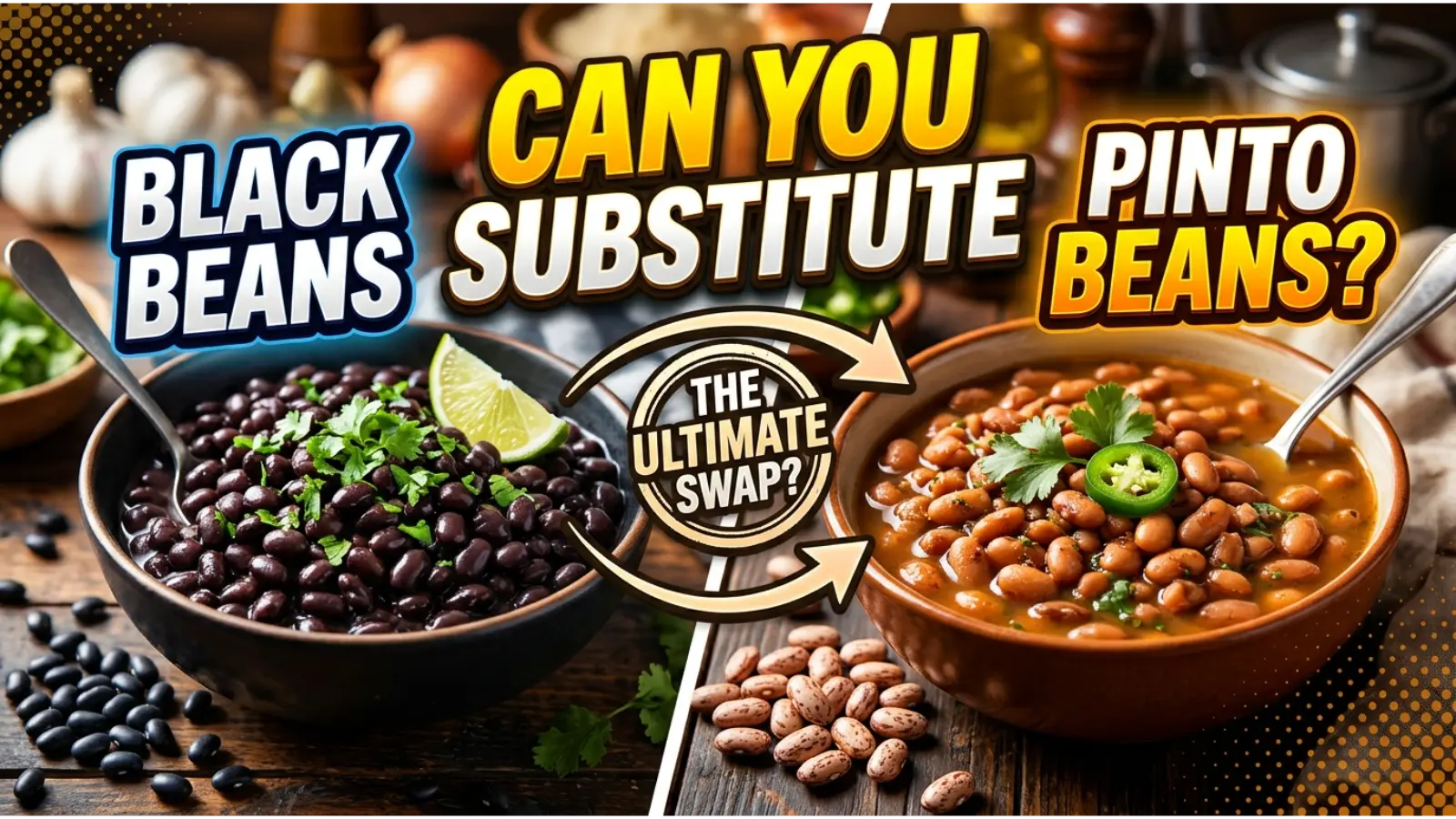
Yes. You can usually substitute Frijoles Negros for pinto beans in most recipes. Both varieties have similar nutritional benefits and work well in soups, stews, tacos, burritos, and rice dishes.
However, remember that substitution can change the final appearance and texture of your meal.
For example, Frijoles Negros remain relatively firm, while pinto beans become softer and creamier. Therefore, a dish made with Frijoles Negros may have a different consistency from one prepared with pinto beans.
Here are some useful substitution examples:
| Recipe | Suggested Substitute | Expected Result |
|---|---|---|
| Tacos | Either variety | Slightly different flavor and color |
| Burritos | Either variety | Similar filling |
| Bean soup | Either variety | Different texture |
| Refried beans | Black beans can work | Darker color and different flavor |
| Rice bowls | Either variety | Both work well |
| Chili | Either variety | Similar overall result |
If you are making refried beans, pinto beans are usually the traditional choice because they mash easily. Nevertheless, black beans can also create a delicious alternative.
Which Beans Are Better for Different Recipes?
The best variety depends on the texture, flavor, and appearance you want in your meal.
Best for Mexican Food
Both varieties are popular in Mexican-inspired cooking. However, pinto beans are especially common in traditional refried bean dishes, while Frijoles Negros frequently appear in tacos, rice bowls, and salads.
Best for Burritos
Both beans make excellent burrito fillings. Frijoles Negros provide a firmer bite, while pinto beans create a softer and creamier filling.
Best for Salads
Black beans are often a better choice for salads because they hold their shape and combine well with corn, tomatoes, onions, and peppers.
Best for Soups
Both varieties work well in soups. Black beans create a hearty texture, whereas pinto beans produce a softer consistency.
Best for Refried Beans
Pinto beans are generally the preferred option for traditional refried beans. Their creamy texture makes them easy to mash and combine with seasonings.
Best for Rice Dishes
You can use either variety in rice dishes. Black beans offer a bold color contrast, while pinto beans provide a mild flavor that blends easily with other ingredients.
Common Mistakes When Choosing Black or Pinto Beans
People sometimes assume that black beans and pinto beans are interchangeable in every situation. Although they work in many of the same recipes, a few common mistakes can affect the final result.
1. Assuming They Taste Exactly the Same
Both beans have earthy flavors, but black beans taste slightly richer, while pinto beans have a milder, nuttier flavor.
2. Ignoring Texture Differences
Black beans usually maintain their shape better. In contrast, pinto beans become softer and mash more easily.
3. Using the Wrong Bean for a Recipe
If a recipe specifically needs creamy mashed beans, pinto beans may work better. However, black beans are often more suitable for salads and dishes that need whole beans.
4. Forgetting to Rinse Canned Beans
Canned beans often contain liquid with added sodium. Rinsing them under running water can help remove some of the excess sodium and improve their flavor.
5. Cooking Dried Beans Without Checking Them
Always sort and rinse dried beans before cooking. Also, follow safe cooking instructions to ensure they become completely tender.
How to Remember the Difference Between Black Beans and Pinto Beans
A simple memory trick can help you recognize these varieties when shopping or preparing meals.
- Black beans = Black color: Their dark appearance makes them easy to identify.
- Pinto beans = Painted appearance: Their spotted skins look as though someone painted them.
- Black beans = Firm texture: They generally hold their shape after cooking.
- Pinto beans = Creamy texture: They soften easily and work well when mashed.
Remembering these simple differences can help you choose the right beans for your next meal.
Frequently Asked Questions
Are black beans and pinto beans the same thing?
No. Black beans and pinto beans are two different varieties of legumes. They share similar nutritional benefits, but their appearance, taste, and texture differ.
Which is healthier, black beans or pinto beans?
Both are healthy options. Black beans provide more magnesium, while pinto beans contain slightly more potassium and folate. Your best choice depends on your nutritional needs and overall diet.
Do black beans or pinto beans have more protein?
Pinto beans contain approximately 15.4 grams of protein per cooked cup, compared with around 15.2 grams in black beans. The difference is very small.
Which beans have more fiber?
Pinto beans contain slightly more fiber per cooked cup. However, both varieties provide approximately 15 grams and make excellent fiber-rich foods.
Can I use black beans instead of pinto beans in chili?
Yes. Black beans work well in chili and provide a firm texture with an earthy flavor. Pinto beans are another excellent option if you prefer softer beans.
Are pinto beans sweeter than black beans?
Pinto beans generally have a mild, nutty flavor, while black beans have a slightly sweeter and earthier taste. However, their flavors depend on the recipe and seasonings.
Which beans are best for refried beans?
Pinto beans are the traditional choice for refried beans because they become soft and creamy when cooked. Black beans can also be used as an alternative.
Do black beans and pinto beans need soaking?
No. Soaking is optional for most dried black and pinto beans. However, soaking can shorten cooking time and may help some people digest beans more comfortably.
Can I mix black beans and pinto beans together?
Yes. You can combine both varieties in soups, salads, chili, rice bowls, and burritos. Mixing them adds different colors, textures, and flavors to your meals.
Are canned black beans and pinto beans healthy?
Yes. Canned beans can be nutritious and convenient. Choose varieties with little or no added sodium when possible, and rinse them before use to remove some excess salt.
Conclusion
Choosing between black beans and pinto beans does not have to be difficult. Both varieties provide plant-based protein, dietary fiber, vitamins, and minerals. However, their different textures and flavors make them suitable for different meals.
Black beans are an excellent choice for salads, rice bowls, tacos, and soups because they hold their shape and offer a rich, earthy flavor. Meanwhile, pinto beans work especially well in refried beans, burritos, chili, and creamy dishes because they become soft and easy to mash.
Ultimately, the best option depends on your recipe and personal taste. You can also enjoy both varieties as part of a balanced diet and experiment with different combinations to discover your favorite meals.