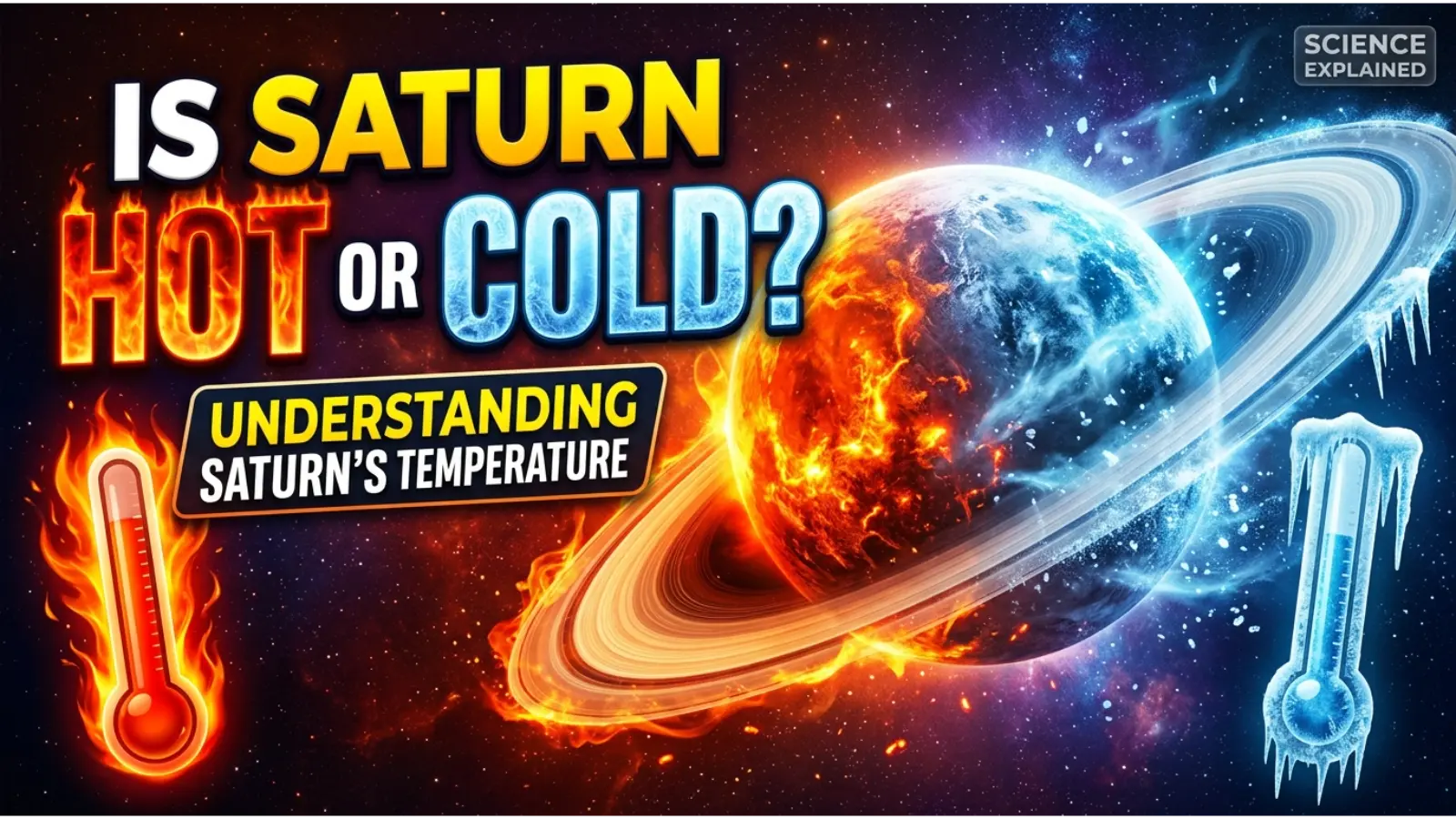
Is Saturn hot or cold? Saturn is an extremely cold planet at its cloud tops, with an average temperature of around −178°C (−288°F). However, its deep interior is incredibly hot. Saturn is a gas giant, so it does not have a solid surface like Earth. Its temperature changes significantly as you move deeper into its atmosphere.
Is Saturn hot or cold? This is an interesting question because Saturn is one of the largest planets in our solar system, yet its temperature is surprisingly extreme. Saturn is famous for its magnificent rings, enormous size, and swirling storms, but its atmosphere is incredibly cold. In fact, the temperature near the top of Saturn’s clouds is around −178°C (−288°F), making it a very cold place compared with Earth.
However, Saturn is not cold everywhere. Deep inside the planet, pressure increases dramatically, and temperatures become extremely hot. Saturn also produces more energy than it receives from the Sun, which makes its internal heat an important part of its planetary behavior. Therefore, Saturn has both freezing atmospheric conditions and a hot interior. In this article, we’ll explain whether Saturn is hot or cold, explore its atmospheric temperature, examine the heat inside the planet, and discover why this gas giant experiences such fascinating temperature differences.
Is Saturn Hot or Cold in Space?
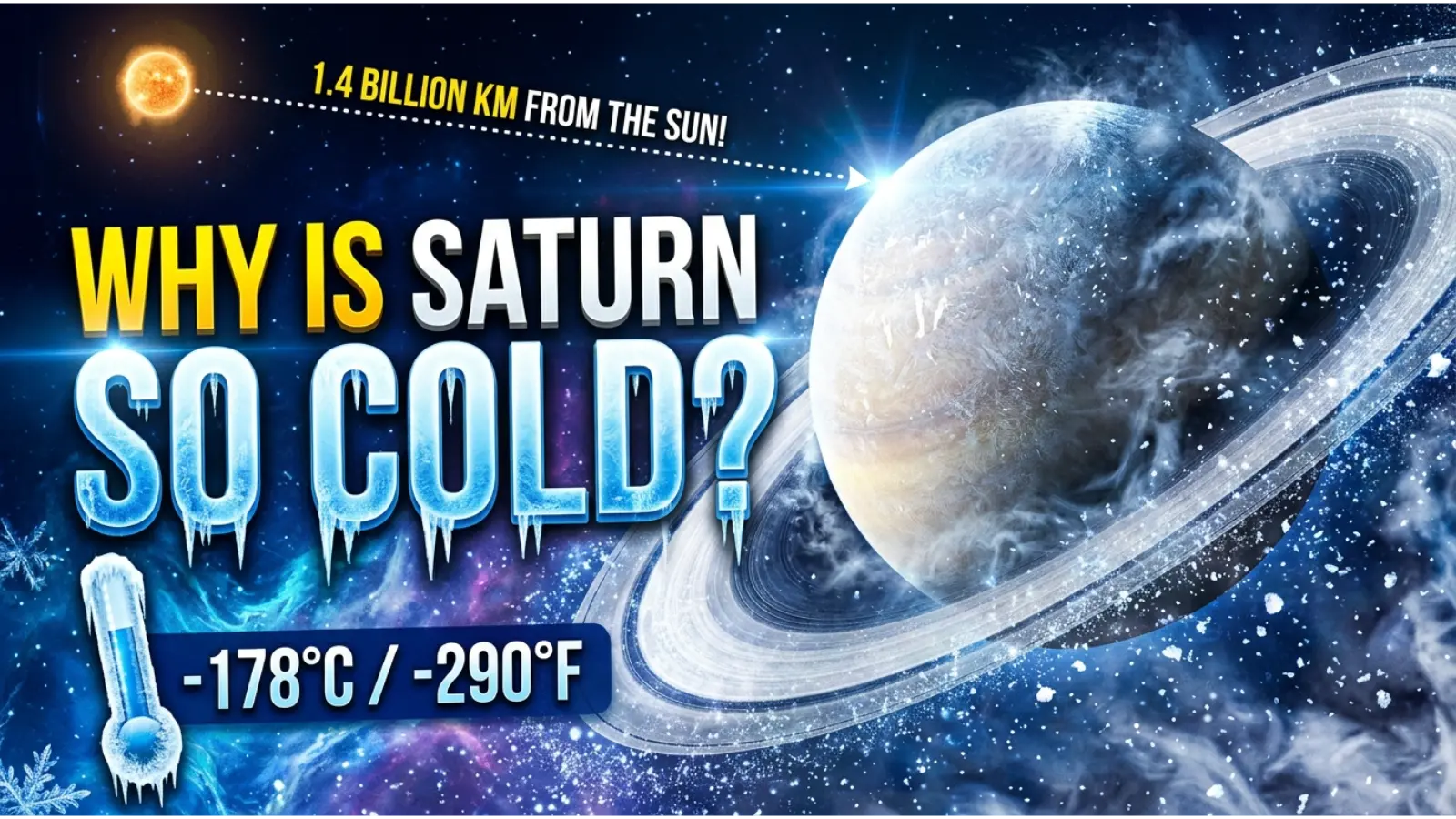
Saturn is generally a cold planet, especially near its upper cloud layers. Its average cloud-top temperature is approximately −178°C (−288°F), which makes it much colder than Earth.
Because Saturn is far from the Sun, it receives much less solar energy than Earth. Therefore, sunlight does not warm Saturn’s atmosphere very much. However, the planet also produces heat from its interior, which makes its deeper layers much warmer.
What Is the Average Temperature on Saturn?
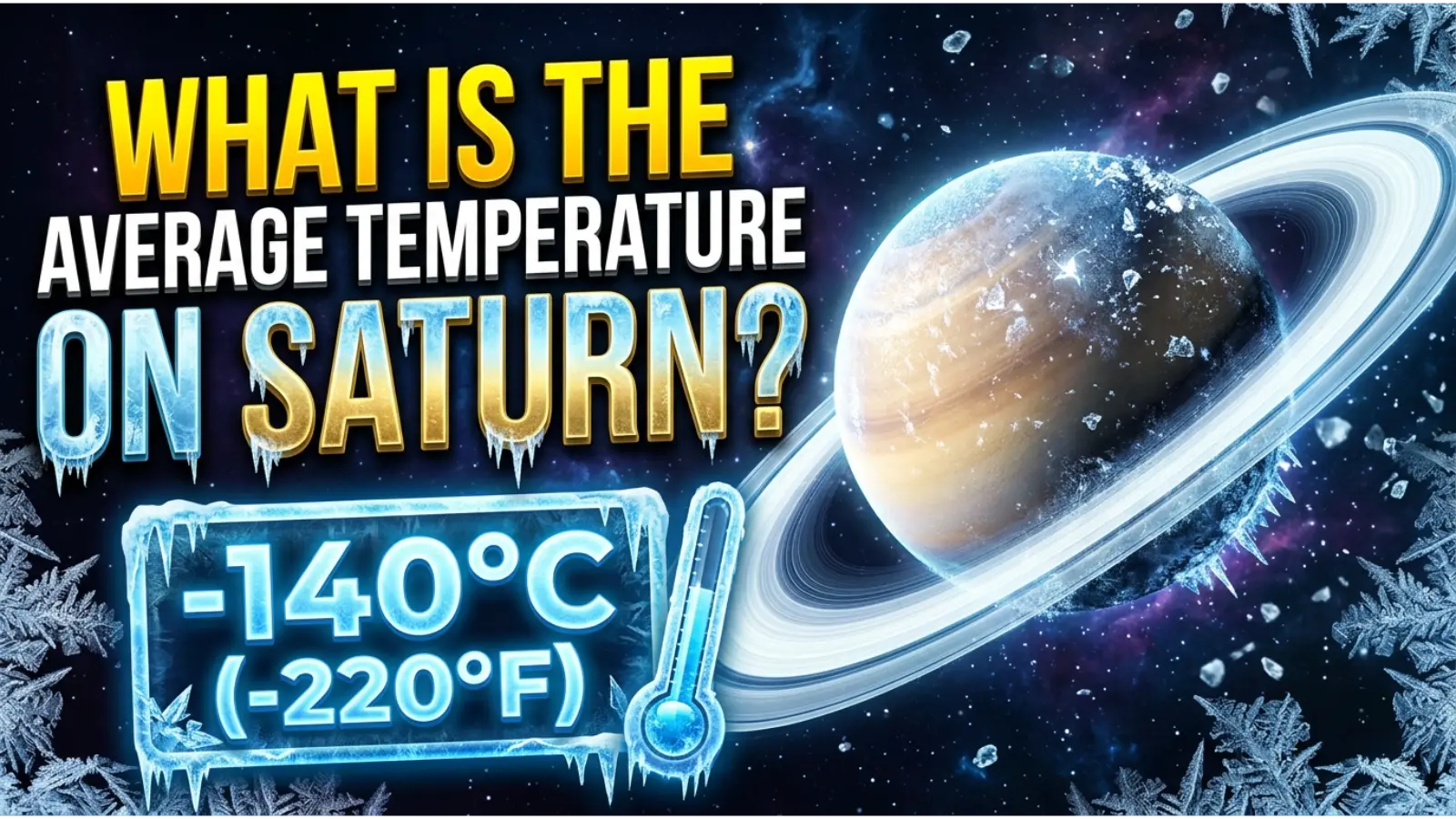
Saturn’s average temperature near its cloud tops is about −178°C (−288°F). However, temperatures vary depending on altitude, atmospheric pressure, and location.
Here are some basic temperature facts about Saturn:
- Average cloud-top temperature: Approximately −178°C (−288°F).
- Upper atmosphere: Extremely cold, although temperatures vary with altitude.
- Deep atmosphere: Much warmer because pressure and temperature increase with depth.
- Interior: Extremely hot, with temperatures reaching thousands of degrees.
These temperature differences show why Saturn cannot be described as cold everywhere.
Why Is Saturn So Cold?
Saturn is cold mainly because it is located far away from the Sun. It receives only a small fraction of the sunlight that Earth receives.
Additionally, Saturn’s thick atmosphere contains hydrogen, helium, and other gases. These gases create different atmospheric layers that influence how heat moves throughout the planet.
Although Saturn receives limited sunlight, it also releases heat from its interior. As a result, Saturn produces more energy than it receives from the Sun.
Is Saturn Hot Inside?
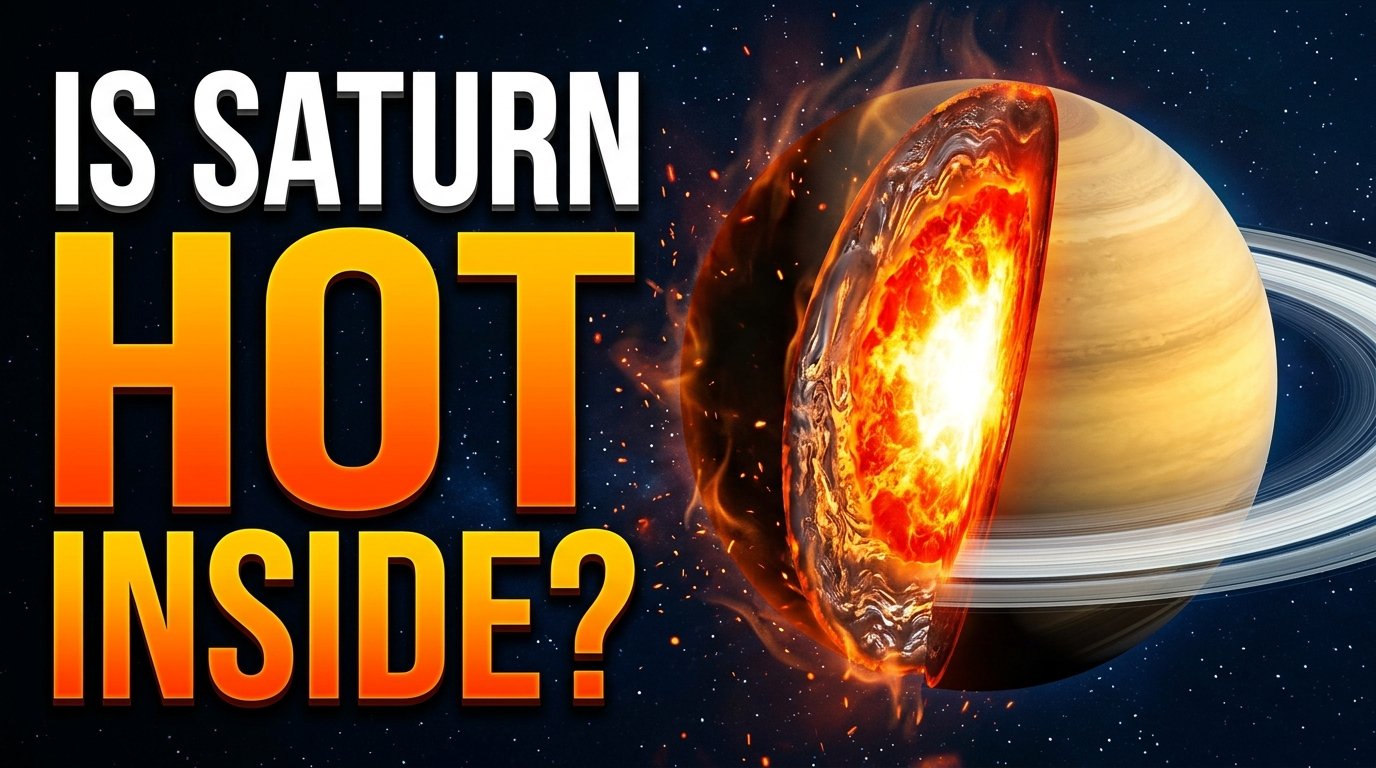
Yes, Saturn is extremely hot inside. Although its upper atmosphere is freezing, its interior becomes much hotter as pressure increases.
Scientists believe Saturn’s interior contains layers of gas, liquid hydrogen, metallic hydrogen, and a dense central region containing heavier materials. These layers experience enormous pressure and temperature.
The deeper you travel into Saturn, the hotter the environment becomes. Its central region may reach temperatures of roughly 10,000 to 12,000°C (18,000 to 21,600°F), although scientists continue to study its exact internal structure.
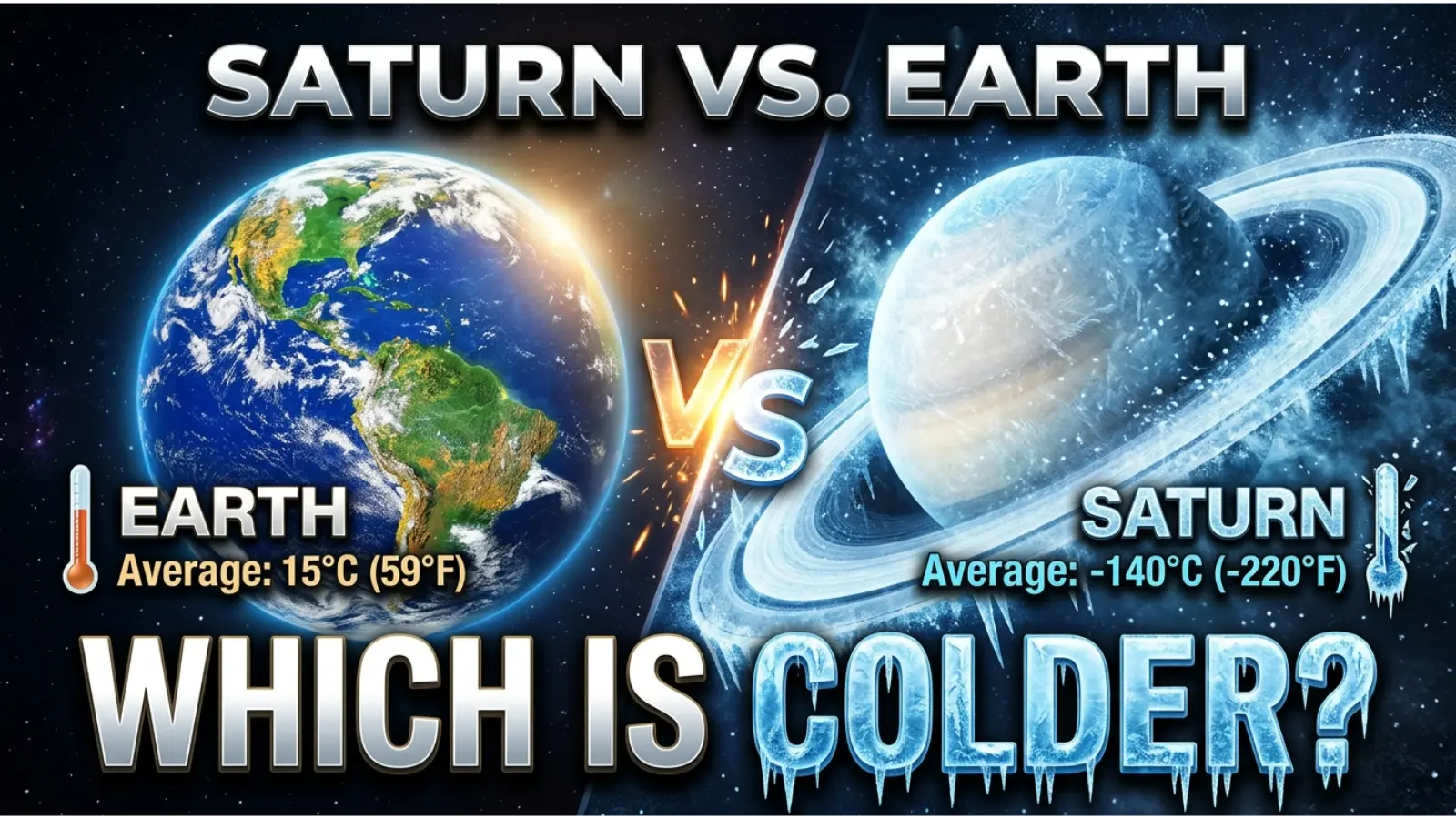
Saturn vs. Earth: Which Planet Is Colder?
Saturn is much colder than Earth near its cloud tops. Earth has an average surface temperature of approximately 15°C (59°F), while Saturn’s cloud tops average around −178°C (−288°F).
| Planet | Approximate Average Temperature |
|---|---|
| Earth | 15°C (59°F) |
| Saturn | −178°C (−288°F) |
Therefore, Saturn is significantly colder than Earth in its upper atmosphere. However, Saturn’s interior is far hotter than Earth’s surface.
Does Saturn Have a Solid Surface?
No, Saturn does not have a solid surface that astronauts could stand on. Saturn is primarily made of hydrogen and helium, which form a thick atmosphere and gradually transition into deeper, denser layers.
As you move deeper into Saturn, the pressure increases dramatically. Eventually, gases become dense fluids, and the conditions become extremely hot.
Consequently, Saturn does not have a traditional surface with a clearly defined boundary like Earth.
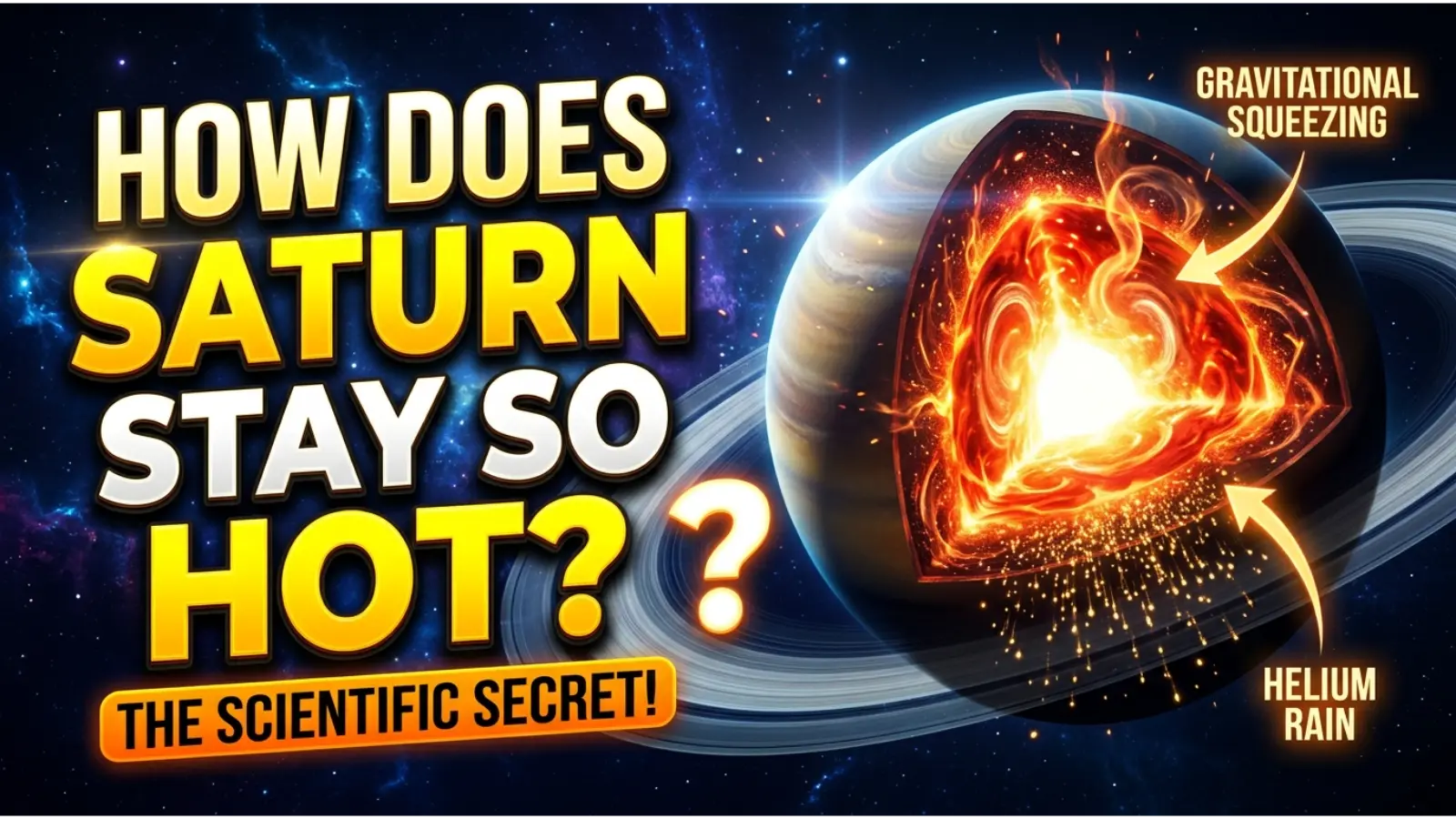
How Does Saturn Keep Its Interior Hot?
Saturn maintains internal heat through several processes. One important source is the gradual compression of the planet as gravity pulls its materials inward.
Another process involves helium separating from hydrogen and sinking deeper into Saturn. This movement releases gravitational energy, which contributes to Saturn’s internal heat.
As a result, Saturn continues to release energy into space even though it receives relatively little sunlight.
Common Misconceptions About Saturn’s Temperature
People often misunderstand Saturn’s temperature because they assume the entire planet has the same conditions.
- Saturn is not cold everywhere: Its upper atmosphere is cold, but its interior is extremely hot.
- Saturn does not have a solid surface: It is a gas giant with increasingly dense layers.
- Distance from the Sun is not the only factor: Saturn also generates internal heat.
- Saturn is not colder than every planet in every region: Planetary temperatures vary depending on atmospheric conditions and location.
Understanding these facts makes Saturn’s temperature easier to explain.
Frequently Asked Questions
Is Saturn the coldest planet?
No, Saturn is not the coldest planet in our solar system. Uranus generally has the lowest atmospheric temperatures measured among the planets, reaching approximately −224°C (−371°F).
Is Saturn colder than Jupiter?
Saturn’s upper cloud layers are generally colder than Jupiter’s cloud tops. Jupiter has an average cloud-top temperature of approximately −145°C (−234°F), while Saturn averages around −178°C (−288°F).
Can humans survive on Saturn?
No, humans cannot survive on Saturn without specialized equipment. Saturn has extreme pressure, very low temperatures in its upper atmosphere, no breathable air, and dangerous conditions deeper inside.
Does Saturn produce its own heat?
Yes, Saturn produces internal heat through processes such as gravitational compression and helium separation. This internal energy helps warm its deeper layers.
Is Saturn hot or cold at night?
Saturn does not experience night temperatures like Earth’s surface because it lacks a solid surface. However, its atmosphere experiences temperature changes depending on sunlight, altitude, and atmospheric conditions.
Conclusion
Is Saturn hot or cold? Saturn is mostly cold near its upper cloud layers, with an average temperature of approximately −178°C (−288°F). However, its interior is extremely hot because pressure increases with depth and the planet generates internal energy. Therefore, Saturn is both cold and hot, depending on which part of the planet you examine.