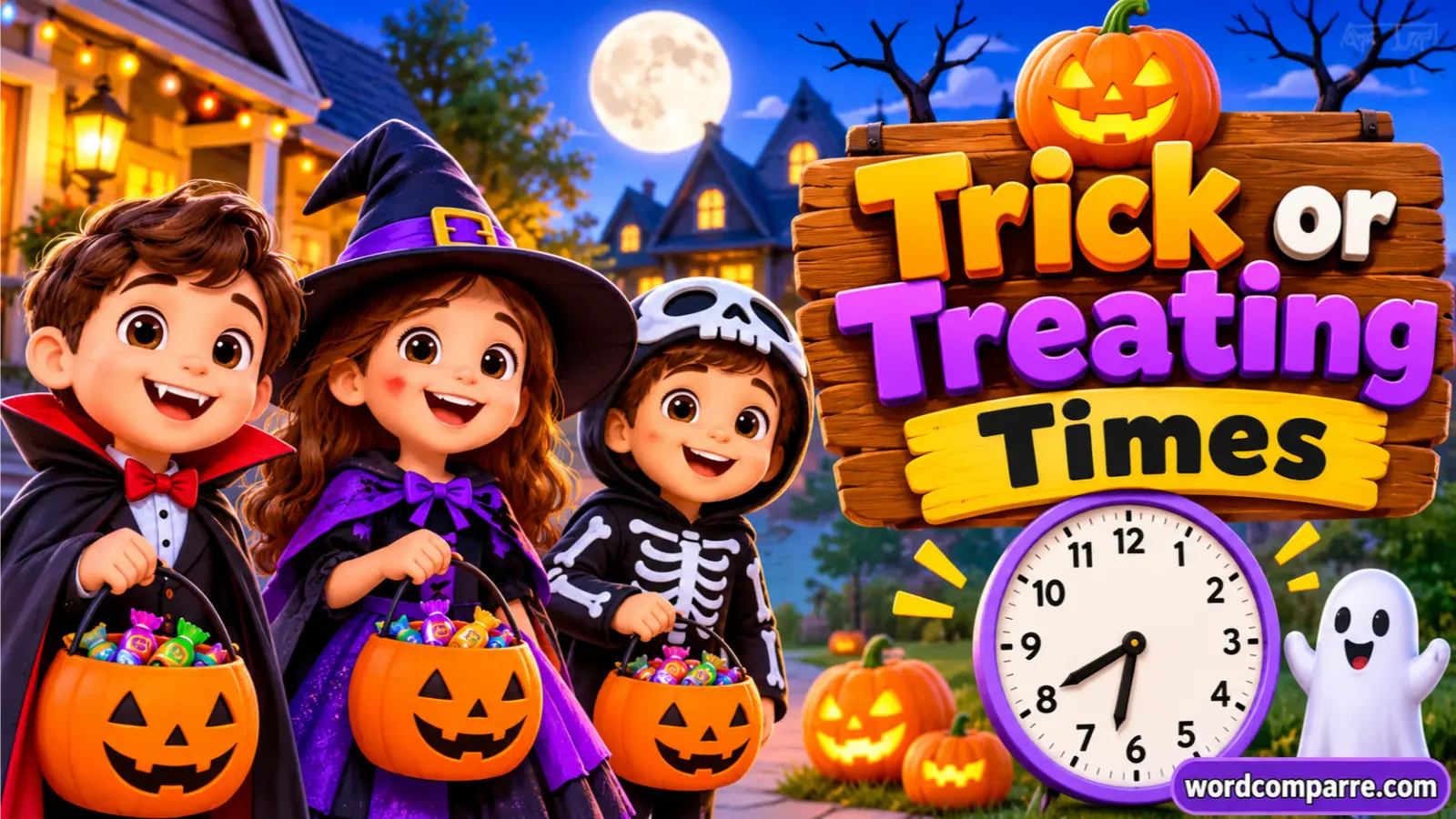
Halloween is an exciting celebration for children and families, filled with costumes, candy, and neighborhood fun. Knowing the correct Trick or Treating Times helps parents plan their evening and decide when children should visit nearby houses. Most communities organize these activities during the early evening, although exact hours may vary by location. Parents should also check local guidelines and safety recommendations to ensure everyone enjoys a fun, safe, and memorable Halloween celebration.
If you are wondering what time trick or treating starts, when it usually ends, or how to choose the best time for young children, this guide explains everything you need to know. From neighborhood traditions to safety recommendations, you will learn how to plan a fun and enjoyable Halloween night.
What Are the Typical Trick or Treating Times?
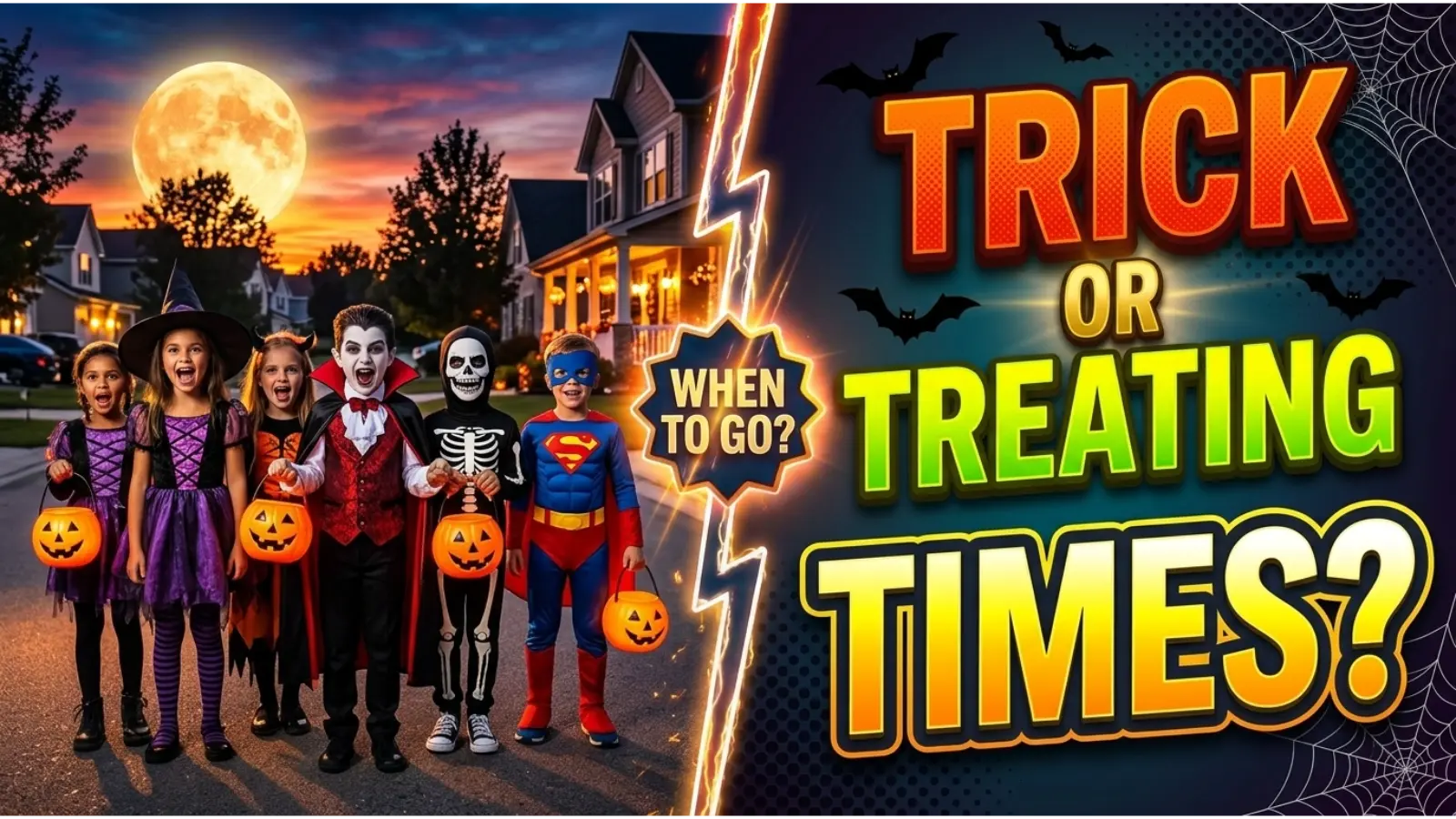
Most American neighborhoods organize trick-or-treating between approximately 5:00 PM and 8:00 PM on October 31. However, the exact schedule depends on local traditions, weather conditions, community rules, and sunset.
Some neighborhoods begin earlier, especially when young children participate. Others continue until 9:00 PM, although many families finish before then.
Here is a general guide:
| Time | Typical Activity |
|---|---|
| 4:00 PM–5:00 PM | Early trick-or-treating for young children |
| 5:00 PM–6:00 PM | More families begin visiting houses |
| 6:00 PM–7:00 PM | Busy trick-or-treating hours |
| 7:00 PM–8:00 PM | Popular evening candy-collecting period |
| 8:00 PM–9:00 PM | Trick-or-treating gradually winds down |
These are general examples, not official nationwide hours. Always check your local community announcements before heading outside.
What Time Does Trick-or-Treating Start?
Trick-or-treating commonly starts around 5:00 PM or 6:00 PM in many American communities. However, some neighborhoods welcome children earlier, particularly when families have younger participants.
Starting around sunset can make the experience more enjoyable because children can see decorations, wear costumes, and visit houses before it gets too late.
Parents should consider these factors when choosing a starting time:
- Children’s ages: Younger children usually benefit from starting earlier.
- Sunset: Daylight makes walking around the neighborhood easier.
- Weather: Rain, cold temperatures, or strong winds may affect plans.
- Local traditions: Some communities announce specific starting times.
- School schedules: Families may prefer an earlier evening when children have school the next morning.
Before leaving home, check whether your neighborhood has established trick-or-treating hours.
When Does Trick-or-Treating Usually End?
In many neighborhoods, trick-or-treating slows down between 8:00 PM and 9:00 PM. Some communities establish earlier closing times, while others allow families to continue later.
There is no single nationwide ending time. Therefore, parents should follow local guidelines and respect residents who have finished participating.
A few signs that trick-or-treating is ending include:
- Fewer children walking through the neighborhood.
- Porch lights being switched off.
- Residents removing Halloween decorations.
- Families returning home.
- Local community announcements indicating the end of activities.
A good approach is to finish before children become tired or neighborhoods become too quiet.
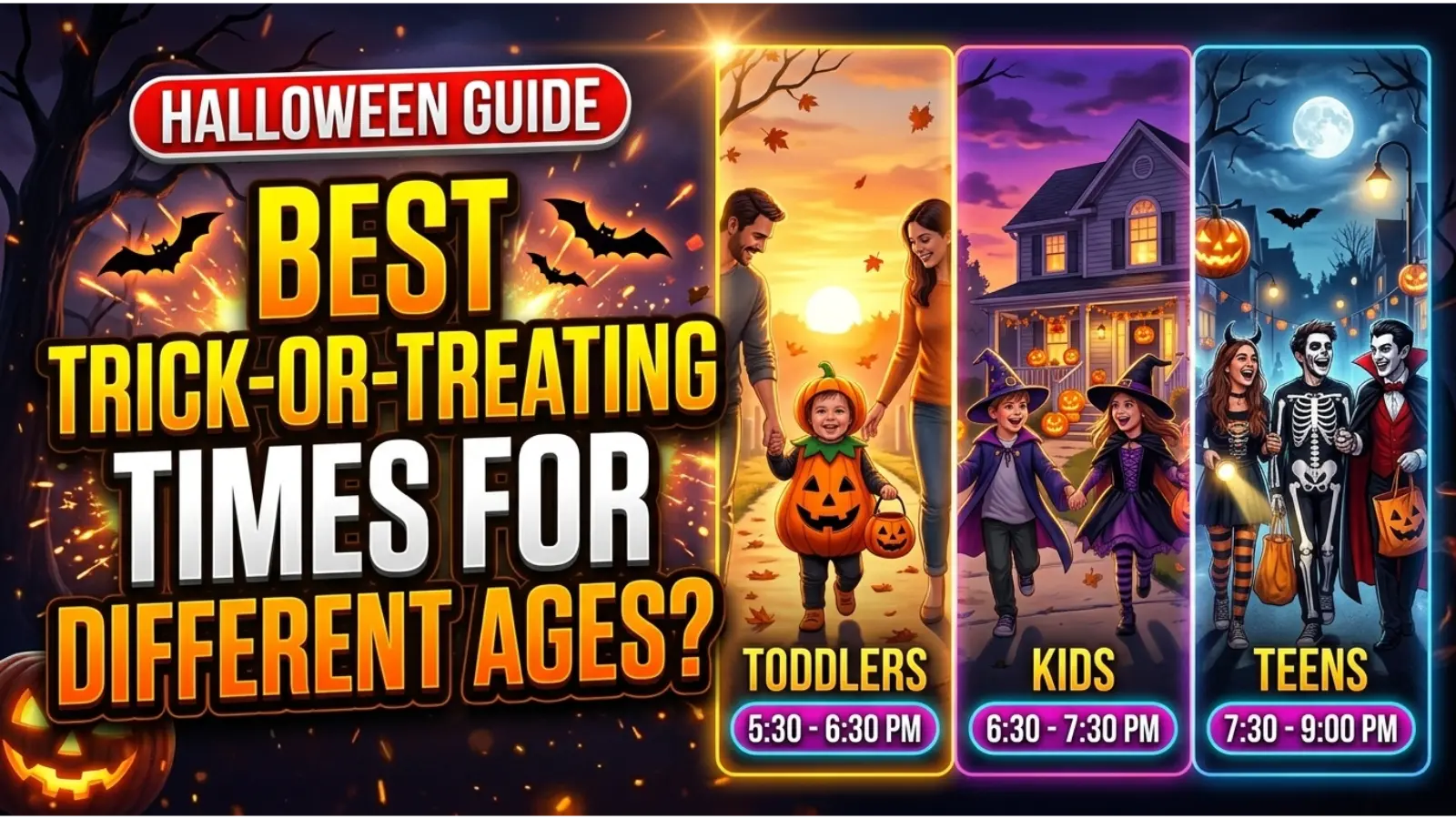
Best Trick or Treating Times for Different Ages
Not every child has the same energy level or comfort with nighttime activities. Choosing an appropriate time can make Halloween more enjoyable for everyone.
Toddlers and Preschoolers
Recommended time: 4:00 PM–5:30 PM
Young children generally do better with shorter Halloween outings. Starting earlier allows them to enjoy costumes and decorations while there is still some daylight.
Parents should also consider their children’s regular bedtime routines.
Elementary School Children
Recommended time: 5:00 PM–7:30 PM
School-aged children often enjoy the busiest part of Halloween evening. They can visit more houses, meet friends, and participate in neighborhood activities.
An adult should accompany younger children and help them cross streets safely.
Teenagers
Recommended time: 6:00 PM–8:30 PM
Older children may prefer going out later with friends. However, parents should establish clear boundaries, agree on a return time, and know which neighborhoods they plan to visit.
Families With Children of Different Ages
Recommended time: 5:00 PM–7:00 PM
Families with children of different ages can choose an earlier starting time. Younger children can enjoy the first part of the evening, while older siblings can continue with adult supervision or according to family rules.
Trick-or-Treating Times by Location
Trick-or-treating schedules can differ significantly between cities, towns, and individual neighborhoods.
Some communities organize official Halloween activities, while others follow informal local traditions.
Consider these examples:
Suburban neighborhoods: Many families begin around 5:00 PM or 6:00 PM and finish around 8:00 PM.
Small towns: Local celebrations may include organized events, community gatherings, or special trick-or-treating schedules.
Large cities: Building policies, neighborhood arrangements, and local safety guidelines may influence when children go out.
Apartment communities: Some buildings organize indoor trick-or-treating during designated afternoon or evening hours.
Remember that these are general patterns rather than confirmed schedules for every location.
How to Find Official Trick-or-Treating Hours
If you want accurate trick or treating times for your area, checking local announcements is the best option.
Use these simple methods:
- Visit your city or town’s official website.
- Check local government social media pages.
- Look for announcements from neighborhood associations.
- Ask schools or community organizations.
- Check local news websites before Halloween.
- Review apartment or housing community announcements.
Some municipalities publish official Halloween schedules, including recommended starting and ending times.
If no official schedule exists, follow the usual neighborhood tradition and use common-sense safety precautions.
Important Halloween Safety Tips for Trick-or-Treating
Choosing the right time is only one part of planning a safe Halloween. Parents and children should also follow basic precautions.
Wear Visible Costumes
Choose bright-colored costumes or add reflective tape so drivers can see children more easily. Glow sticks and small flashlights can also improve visibility.
Stay With a Trusted Adult
Young children should always walk with a responsible adult. Older children should follow agreed routes and check-in arrangements.
Use Sidewalks and Crosswalks
Avoid walking between parked vehicles. Cross streets at designated crossings and look carefully in both directions.
Carry a Flashlight
A flashlight helps children see sidewalks, driveways, and possible obstacles after sunset.
Check Halloween Candy
Parents should inspect collected treats before children eat them. Avoid opened, damaged, or suspiciously packaged items.
Respect Neighborhood Residents
Only approach houses that appear to welcome trick-or-treaters. Respect signs, closed gates, and residents who are not participating.
Plan a Return Time
Agree on a clear ending time before leaving home. This helps children understand expectations and prevents unnecessary late-night outings.
Trick-or-Treating Etiquette: What Should Children Know?
Halloween is more enjoyable when children understand how to behave while visiting other people’s homes.
Teach children these simple rules:
- Say “Trick or treat!” politely.
- Wait for someone to answer the door.
- Take only one treat unless the homeowner offers more.
- Say “Thank you” after receiving candy.
- Avoid touching decorations or personal property.
- Never enter a stranger’s house.
- Stay on designated walkways.
- Respect homes that are not participating.
Good manners help create a friendly Halloween atmosphere and encourage residents to participate in future celebrations.
Common Questions About Trick-or-Treating Times
What time should you start trick-or-treating?
Many families start around 5:00 PM or 6:00 PM. However, parents with toddlers and preschoolers may prefer beginning around 4:00 PM or 5:00 PM.
What time does trick-or-treating usually end?
Trick-or-treating often winds down between 8:00 PM and 9:00 PM. The exact ending time depends on local rules and neighborhood traditions.
Is 4 PM too early for trick-or-treating?
Not necessarily. Starting at 4:00 PM can be a good choice for toddlers and younger children, especially when families want to finish before dark.
Is 9 PM too late to trick-or-treat?
For younger children, 9:00 PM is generally later than necessary. Some neighborhoods may still have activities at that time, but families should follow local schedules and respect residents.
Do trick-or-treating times change every year?
They can. Although Halloween always takes place on October 31, community schedules may change because of weather, local events, safety concerns, or municipal decisions.
Can you go trick-or-treating during the daytime?
Yes. Some communities organize daytime Halloween events, particularly for younger children. These activities may take place at schools, shopping centers, parks, or community organizations.
Should you trick-or-treat before or after dinner?
Many families prefer eating dinner before going out. However, an early meal or a light snack can help children maintain their energy throughout the evening.
Are trick-or-treating hours the same across the United States?
No. There are no universal nationwide trick-or-treating hours. Cities, towns, and individual neighborhoods may establish different schedules.
Conclusion
Finding the right trick or treating times can make Halloween easier, safer, and more enjoyable for children and parents. In many American neighborhoods, activities generally take place between 5:00 PM and 8:00 PM, although some communities begin earlier or continue later.
Parents should choose a schedule that suits their children’s ages, check local announcements, and follow basic Halloween safety guidelines. Most importantly, remember that the best trick-or-treating experience is not about collecting the most candy. It is about enjoying costumes, neighborhood decorations, and memorable Halloween moments with family and friends.