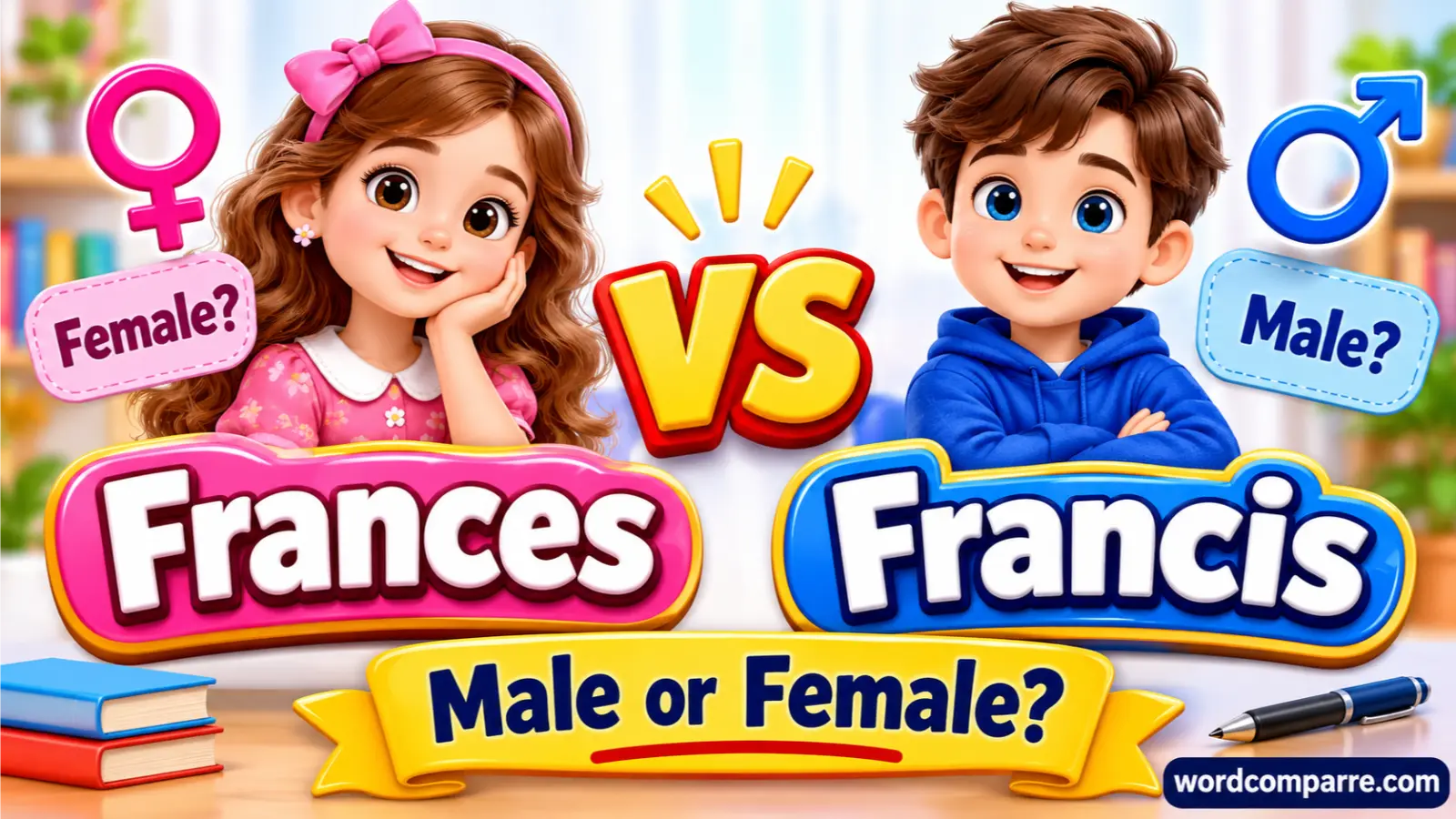
Frances vs. Francis is a common name comparison because both spellings look almost identical but have traditionally different uses. Frances is generally used as a feminine name, while Francis is traditionally a masculine name. Although they share similar origins and meanings, the final letters make an important difference.
Many people confuse these names when writing, reading, or choosing a baby name. Therefore, understanding the difference between Frances vs. Francis can help you avoid spelling mistakes and use the correct name in the right context.
Frances vs. Francis can be confusing because both names have similar spellings and pronunciations, but they have traditionally different gender associations. Frances is commonly used as a feminine name, while Francis is traditionally a masculine name. Understanding Frances vs. Francis helps you choose the correct spelling when writing someone’s name, selecting a baby name, or completing official documents. Although both names share Latin origins and similar meanings, their spelling and traditional usage make them distinct.
Frances vs. Francis: Quick Comparison
| Feature | Frances | Francis |
|---|---|---|
| Traditional gender | Female | Male |
| Origin | Latin, through English | Latin, through English |
| Meaning | Frenchwoman; traditionally associated with the French | Frenchman; traditionally associated with the French |
| Pronunciation | FRAN-sis | FRAN-sis |
| Name type | Feminine form | Traditionally masculine form |
| Common nicknames | Fran, Frankie, Franny | Frank, Frankie, Fran |
| Modern usage | Mainly girls | Mainly boys |
| Spelling difference | Ends in -es | Ends in -is |
The most important distinction is the final two letters. Frances traditionally identifies a feminine name, whereas Francis is the conventional masculine spelling.
What Is the Difference Between Frances and Francis?
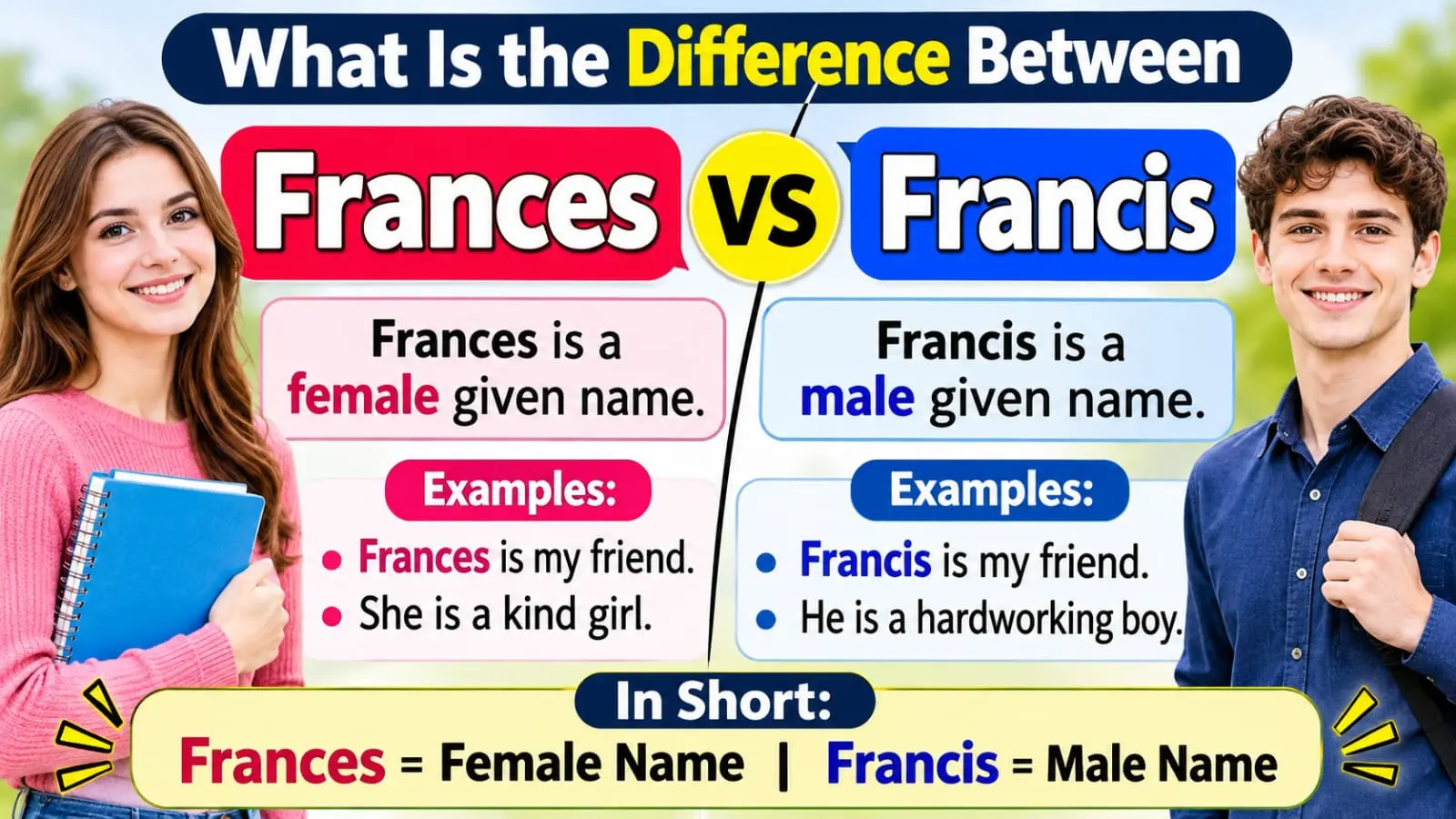
The main difference between Frances and Francis is their traditional gender association.
Frances is the established feminine form of the name. It has been used for girls and women in English-speaking countries for centuries. It is a classic name that often appears in literature, history, and modern baby-name discussions.
Francis, on the other hand, is traditionally masculine. It has strong historical and religious connections, particularly through Saint Francis of Assisi. It has also been used by writers, explorers, religious leaders, and other notable men.
However, these conventions are not absolute. Some families use Francis for girls, and Frances has occasionally appeared as a masculine name. Therefore, it is more accurate to describe one as traditionally feminine and the other as traditionally masculine rather than treating either spelling as exclusively gender-specific.
Origin and Meaning of Frances and Francis
Both names ultimately come from the Late Latin name Franciscus.
The Latin name was associated with the Franks, a Germanic people whose name became connected with France. Consequently, the traditional meaning of Francis is Frenchman or someone associated with the Franks.
Over time, the name developed into different forms across European languages. The English spelling Francis became established as a masculine given name, while Frances developed as its feminine counterpart.
The meaning of Frances is traditionally understood as Frenchwoman or a feminine form of Francis. Some modern baby-name references also associate the name with the meaning free one.
Although the two spellings have different gender associations, they share the same historical naming tradition.
Is Frances a Male or Female Name?
Frances is traditionally a female name. It is the feminine form of Francis and has a long history of use among English-speaking women.
Parents who want a traditional, elegant, and recognizable name for a baby girl may consider Frances. The name also offers several affectionate nicknames, including Fran, Frankie, Franny, and Francie.
Some well-known women named Frances include:
- Frances McDormand – American actress known for her award-winning performances.
- Frances Perkins – American politician and the first woman to serve as a U.S. Secretary of Labor.
- Frances Cabrini – Catholic religious sister known for her charitable and missionary work.
- Frances Hodgson Burnett – British-American novelist known for The Secret Garden.
Although Frances is strongly associated with girls, historical naming practices sometimes allowed the spelling for boys as well.
Is Francis a Male or Female Name?
Francis is traditionally a male name. It has been used for centuries and is particularly well known because of its connection with Christianity and European history.
The name became widely recognized through Saint Francis of Assisi, a 13th-century religious figure associated with humility, charity, and care for animals.
Some famous men named Francis include:
- Francis Bacon – English philosopher and statesman.
- Francis Drake – English explorer and naval commander.
- Francis Ford Coppola – American film director and screenwriter.
- Francis Scott Key – American lawyer and lyricist.
Francis is also occasionally used as a girl’s name, especially in families that prefer traditional or religious names. Nevertheless, Frances remains the more recognizable feminine spelling in English.
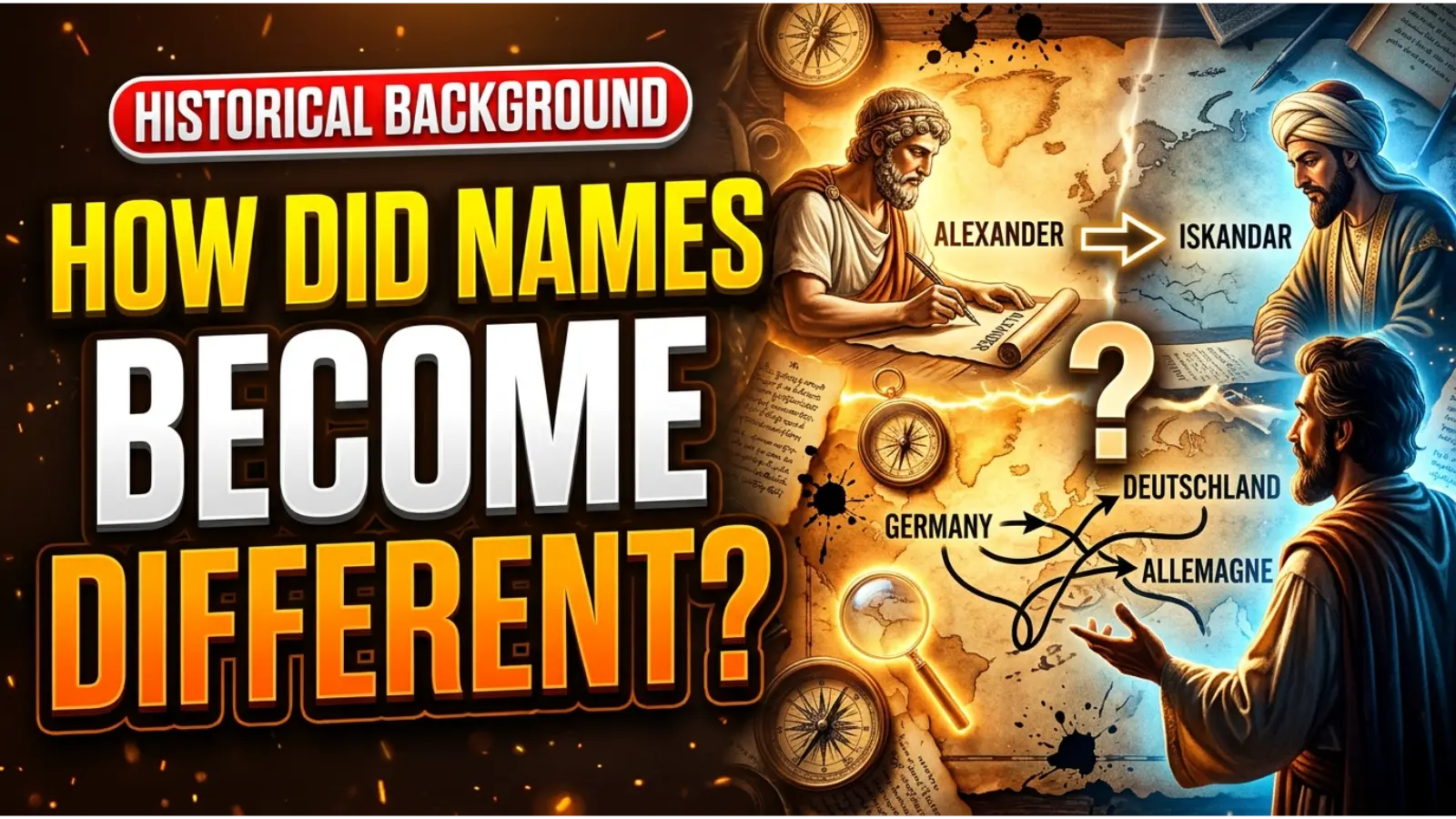
Historical Background: How Did the Names Become Different?
The history of Frances and Francis goes back several centuries.
The distinction gradually developed, becoming more established around the 17th century. Over time, Francis became the conventional masculine spelling, while Frances became the standard feminine form.
Saint Francis of Assisi played an important role in spreading the name throughout Europe during the Middle Ages. His reputation helped make the name familiar across different countries and cultures.
As English naming conventions developed, the two spellings became more clearly associated with different genders.
Today, this spelling distinction remains widely recognized, even though individual naming choices can vary.
Frances vs. Francis: Popularity and Baby Name Usage
Both Frances and Francis are established names, but their popularity differs by gender and region.
In the United States, Frances has traditionally been much more popular among girls, while Francis has historically been more popular among boys.
According to U.S. Social Security Administration birth-name data reported in name databases, Frances ranked among the top 350 girls’ names in 2025, while Francis ranked among the top 500 boys’ names.
This demonstrates that traditional gender associations do not prevent parents from choosing alternative spellings.
For baby-name selection, Frances is generally the more conventional choice for a girl, while Francis is generally the more conventional choice for a boy.
Parents should also consider family traditions, cultural preferences, pronunciation, and the personal significance of a name before making their decision.
Regional Preferences: Where Are Frances and Francis Used?
Frances and Francis are recognized in several English-speaking countries, including the United States, the United Kingdom, Canada, Australia, and Ireland.
However, their popularity and cultural associations can vary.
United States: Frances is primarily associated with girls, while Francis is predominantly associated with boys. Both spellings remain recognizable traditional names.
United Kingdom: The feminine and masculine distinction is well established. Frances is traditionally feminine, and Francis is traditionally masculine.
Ireland: Francis has historical and religious associations, while Frances is recognized as its feminine counterpart.
Canada and Australia: Both names are familiar, although their popularity can differ across generations and communities.
Outside English-speaking countries, related versions include Francesco in Italian, François in French, and Francisco in Spanish and Portuguese.
These variations demonstrate how the same naming tradition developed across different languages.
How Do You Pronounce Frances and Francis?
One reason people confuse these names is that they are pronounced identically in standard English.
Both names are generally pronounced:
FRAN-sis
The pronunciation has two syllables, with the emphasis on the first syllable.
Here are some simple examples:
- Frances is my grandmother’s name.
- Francis is my brother’s name.
- Frances and Francis sound the same.
- The spelling helps distinguish the traditional gender association.
Because the pronunciation is identical, listeners usually cannot determine which spelling someone uses without seeing it written or asking the person.
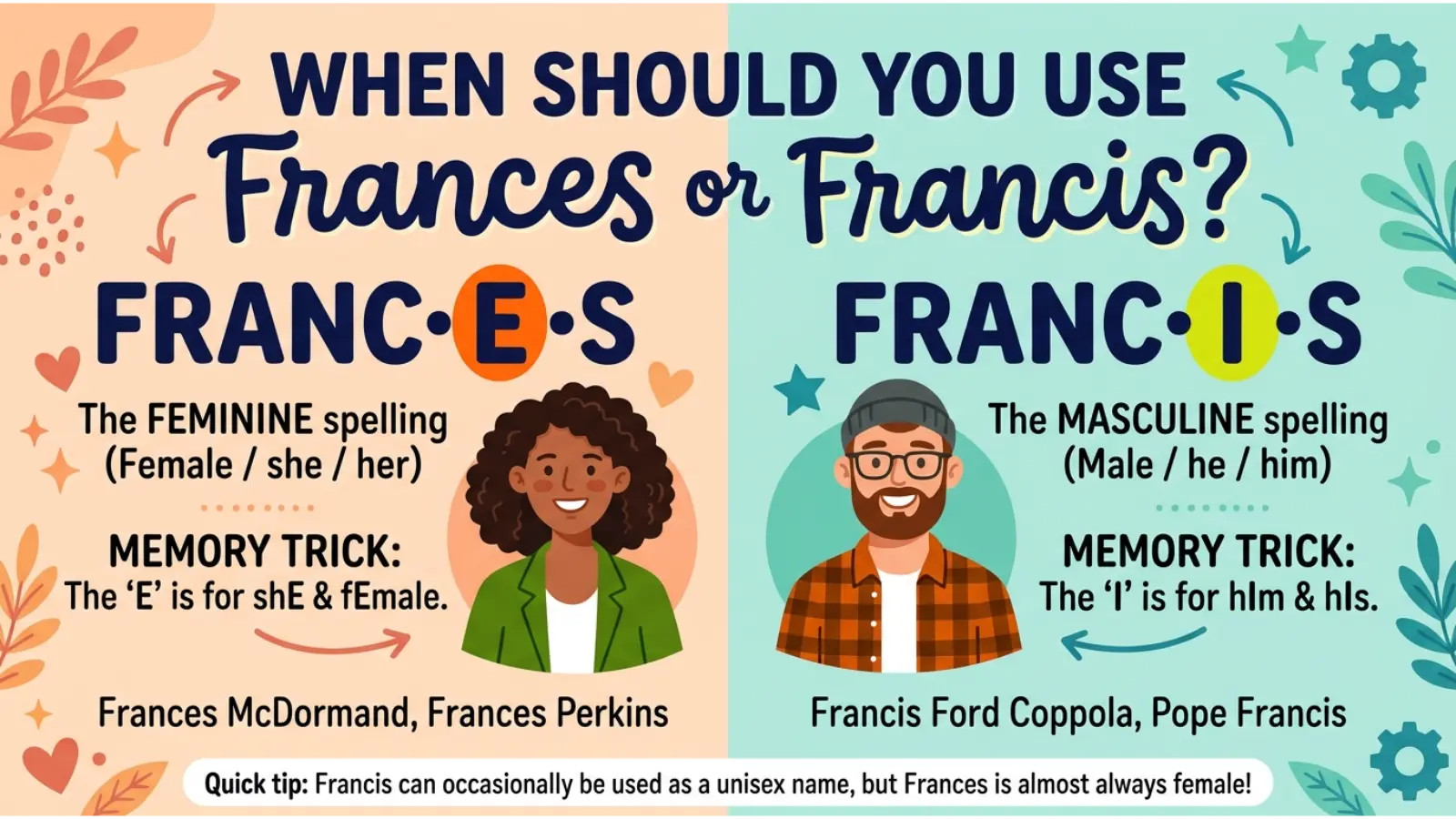
When Should You Use Frances or Francis?
Choosing the correct spelling depends on the person’s actual name and the traditional gender association you want to follow.
Use Frances when:
- You are referring to a woman traditionally named Frances.
- You are choosing a classic feminine baby name.
- You are writing about a famous woman whose name is spelled Frances.
- You want the conventional feminine form of the name.
Use Francis when:
- You are referring to a man traditionally named Francis.
- You are choosing a classic masculine baby name.
- You are writing about Saint Francis of Assisi.
- You want the conventional masculine form of the name.
Remember that personal names should always follow the spelling chosen by the individual or their family. Do not automatically change someone’s name based on gender.
Common Confusion Between Frances and Francis
People frequently confuse these names because they share nearly identical spelling and pronunciation.
Here are some common reasons for the confusion:
1. Similar spelling: Both names contain the same letters except for the final vowel arrangement.
2. Identical pronunciation: In English, both names generally sound like FRAN-sis.
3. Shared origin: Both names developed from the same Latin naming tradition.
4. Historical usage: Earlier generations did not always follow the modern masculine and feminine spelling distinction.
5. Unisex naming practices: Some parents choose traditional names regardless of their historical gender associations.
The easiest way to remember the difference is that Frances with an E is traditionally feminine, while Francis with an I is traditionally masculine.
Frequently Asked Questions
Is Frances a male or female name?
Frances is traditionally a female name. It is the feminine form of Francis, although it has occasionally been used for boys.
Is Francis a male or female name?
Francis is traditionally a male name. However, some families also use it for girls, making it a less common feminine choice.
Are Frances and Francis pronounced the same?
Yes. Both names are generally pronounced FRAN-sis in English. Their difference is primarily in spelling and traditional gender association.
Do Frances and Francis have the same meaning?
Yes, they share the same historical origin. Both come from the Latin name Franciscus, which is associated with the Franks and traditionally means Frenchman. Frances is its feminine form.
Which spelling is correct for a girl?
Frances is the conventional feminine spelling. However, Francis can also be used as a girl’s name.
Which spelling is correct for a boy?
Francis is the conventional masculine spelling. Frances has occasionally been used for boys, but it is much more strongly associated with girls today.
Is Francis a unisex name?
Yes. Francis is predominantly masculine in English-speaking naming traditions, but it has also been given to girls. Therefore, it can be considered a unisex name in actual usage.
What are the nicknames for Frances and Francis?
Common nicknames include Fran and Frankie for both names. Frances may also be shortened to Franny or Francie, while Francis is often shortened to Frank.
Conclusion
The difference between Frances and Francis comes down to spelling and traditional gender association. Frances is generally a feminine name, while Francis is traditionally masculine. Both share Latin origins and the same historical naming background.
Although their pronunciations are identical, their spellings help distinguish their conventional uses. If you are choosing a name for a girl, Frances is the traditional choice. For a boy, Francis is the conventional option.
Ultimately, both are established and meaningful names, and personal naming preferences should always take priority over traditional gender conventions.