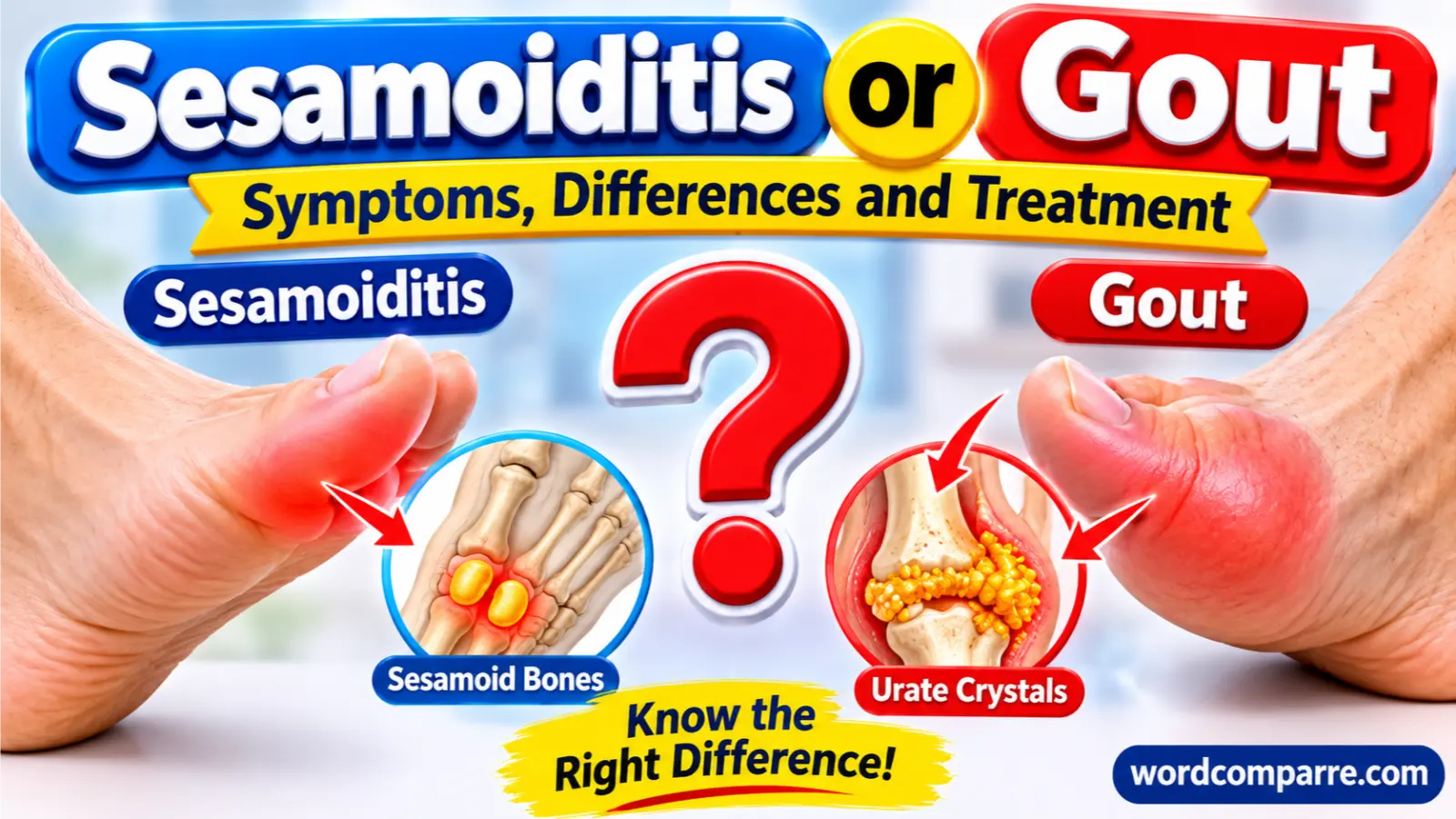
Sesamoiditis or gout? Both conditions can cause pain around the big toe, making it difficult to walk, stand, or enjoy everyday activities. However, they are not the same medical condition. Sesamoiditis generally develops when the small bones and surrounding tendons beneath the big toe become irritated from repeated pressure or stress. In contrast, gout occurs when urate crystals accumulate in a joint, causing sudden inflammation, swelling, and intense pain.
Understanding the difference between sesamoiditis and gout can help you recognize their symptoms, learn about possible causes, and understand why a proper medical diagnosis matters. Although both conditions may affect the forefoot, their pain patterns, underlying causes, and treatment approaches can differ considerably. This guide explains sesamoiditis vs. gout in simple language, including symptoms, risk factors, diagnosis, treatment, common mistakes, and practical examples.
What Is Sesamoiditis?
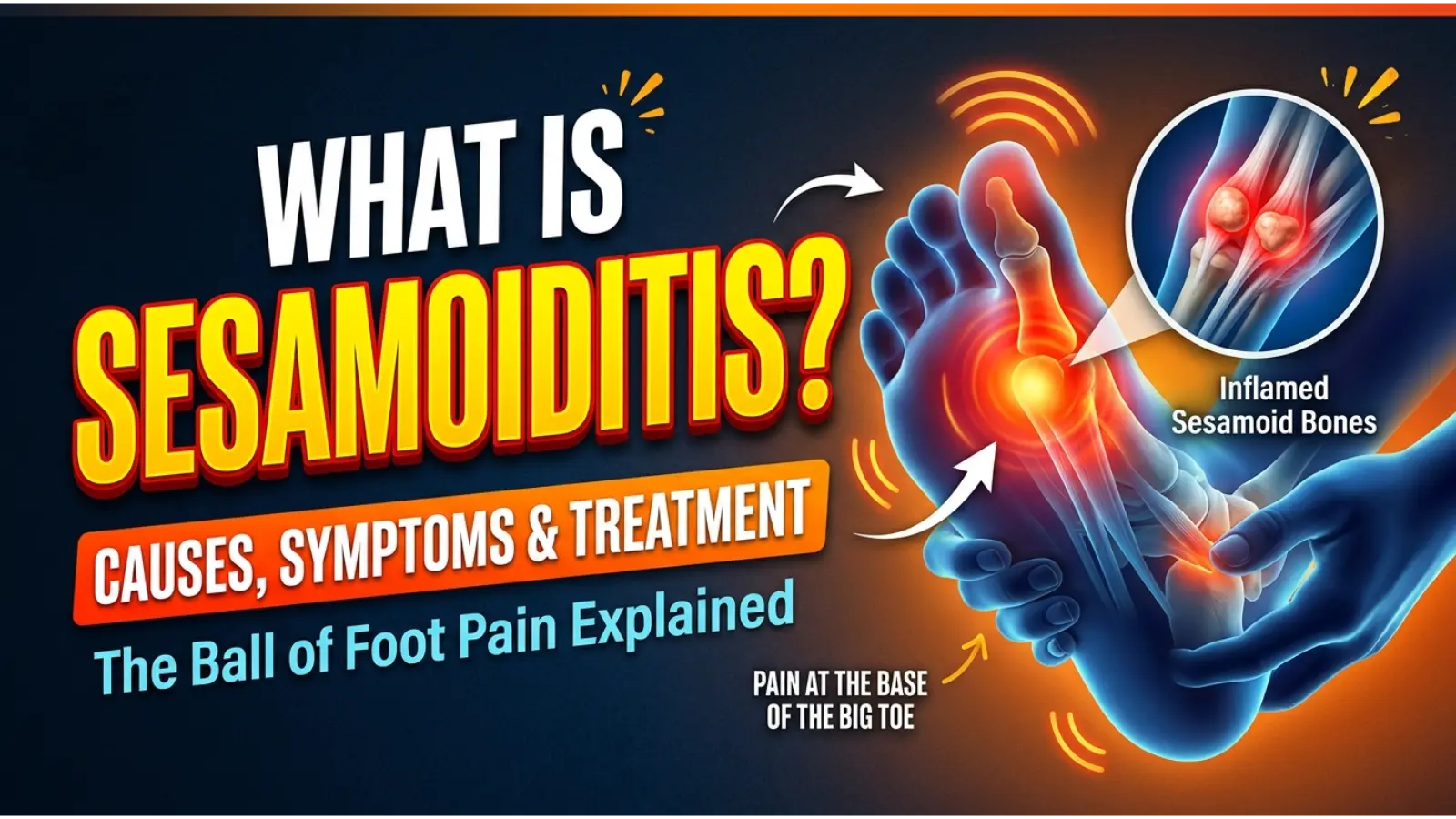
Sesamoiditis is a painful condition involving the sesamoid bones and the surrounding tissues beneath the big toe joint. These small bones are embedded within tendons and help the foot absorb pressure while walking, running, jumping, and pushing off the ground.
The sesamoid bones work like small pulleys. They help improve the movement of the big toe and distribute pressure across the ball of the foot. However, repeated stress can irritate the bones and surrounding tendons, leading to pain and inflammation.
Sesamoiditis often develops gradually rather than suddenly. People who participate in activities involving repetitive pressure on the forefoot may experience this condition.
Common activities associated with sesamoiditis include:
- Running and jogging.
- Dancing and ballet.
- Playing basketball or other sports.
- Walking long distances.
- Wearing high heels.
- Participating in activities that repeatedly bend the big toe.
The pain usually develops beneath the big toe and may become worse when walking, running, bending the toe, or putting pressure on the ball of the foot.

What Is Gout?
Gout is a form of inflammatory arthritis that develops when urate crystals accumulate in a joint. These crystals form when the body has excessive uric acid or cannot eliminate enough uric acid through the kidneys.
Gout commonly affects the big toe, although it can also affect the ankles, knees, wrists, elbows, and other joints.
Unlike sesamoiditis, gout often causes sudden and intense pain. An attack may begin during the night or early morning, and the affected joint can become swollen, red, warm, and extremely sensitive to touch.
Common gout symptoms include:
- Sudden, severe joint pain.
- Redness around the affected joint.
- Swelling and warmth.
- Extreme tenderness.
- Difficulty walking or wearing shoes.
- Repeated episodes of joint pain.
Gout can affect people differently. Some individuals experience occasional attacks, while others develop repeated inflammation or long-term joint damage if the condition remains untreated.
Sesamoiditis or Gout: What Is the Main Difference?
The main difference between sesamoiditis and gout is their underlying cause.
Sesamoiditis usually results from repeated pressure, stress, or irritation around the sesamoid bones beneath the big toe. Gout, on the other hand, results from urate crystal accumulation inside a joint.
Although both conditions can cause foot pain, their symptoms and patterns often differ.
| Feature | Sesamoiditis | Gout |
|---|---|---|
| Main cause | Repeated stress or irritation around sesamoid bones and tendons | Urate crystal accumulation in a joint |
| Common location | Beneath the big toe joint | Big toe joint or other joints |
| Pain onset | Often gradual | Often sudden |
| Pain pattern | Often worsens with activity or pressure | Often severe during an inflammatory attack |
| Swelling | Possible, often localized | Common during attacks |
| Redness | Sometimes present | Often prominent during attacks |
| Tenderness | Usually concentrated beneath the big toe | May involve the entire affected joint |
| Common triggers | Running, jumping, repetitive pressure, footwear | Urate crystal formation and factors that trigger gout flares |
| Diagnosis | Physical examination and imaging when needed | Examination, joint-fluid analysis, and other tests |
| Treatment approach | Pressure reduction, rest, footwear changes, and other treatments | Anti-inflammatory treatment and, when appropriate, urate-lowering therapy |
These differences can help explain why the conditions are not identical, even when the pain occurs in a similar part of the foot.
Symptoms of Sesamoiditis vs. Gout
Symptoms are one of the most noticeable ways these conditions differ. However, some symptoms overlap, so they cannot confirm a diagnosis on their own.
Symptoms of Sesamoiditis
Sesamoiditis usually causes pain beneath the big toe, especially around the ball of the foot. The pain may develop slowly as repeated pressure irritates the sesamoid bones and surrounding tendons.
Common symptoms include:
- Pain beneath the big toe when walking.
- Tenderness when pressing the ball of the foot.
- Pain during running or jumping.
- Discomfort when bending the big toe.
- Mild swelling or warmth.
- Pain that worsens with certain shoes or activities.
For example, a runner may initially notice discomfort during a workout. However, the pain may gradually become more noticeable during ordinary walking if the irritated area continues to receive pressure.
Symptoms of Gout
Gout often produces a sudden inflammatory attack. The affected joint may become painful within hours, and the discomfort can be severe enough to interfere with sleep or walking.
Common symptoms include:
- Sudden, intense joint pain.
- A swollen big toe joint.
- Red or warm skin.
- Severe tenderness.
- Difficulty putting weight on the foot.
- Recurrent episodes of joint inflammation.
For example, someone may go to bed feeling comfortable and wake up with a painful, swollen big toe. This sudden pattern is commonly associated with gout, although other conditions can also cause acute joint pain.
What Causes Sesamoiditis and Gout?
Both conditions can affect the foot, but their causes are different.
Causes of Sesamoiditis
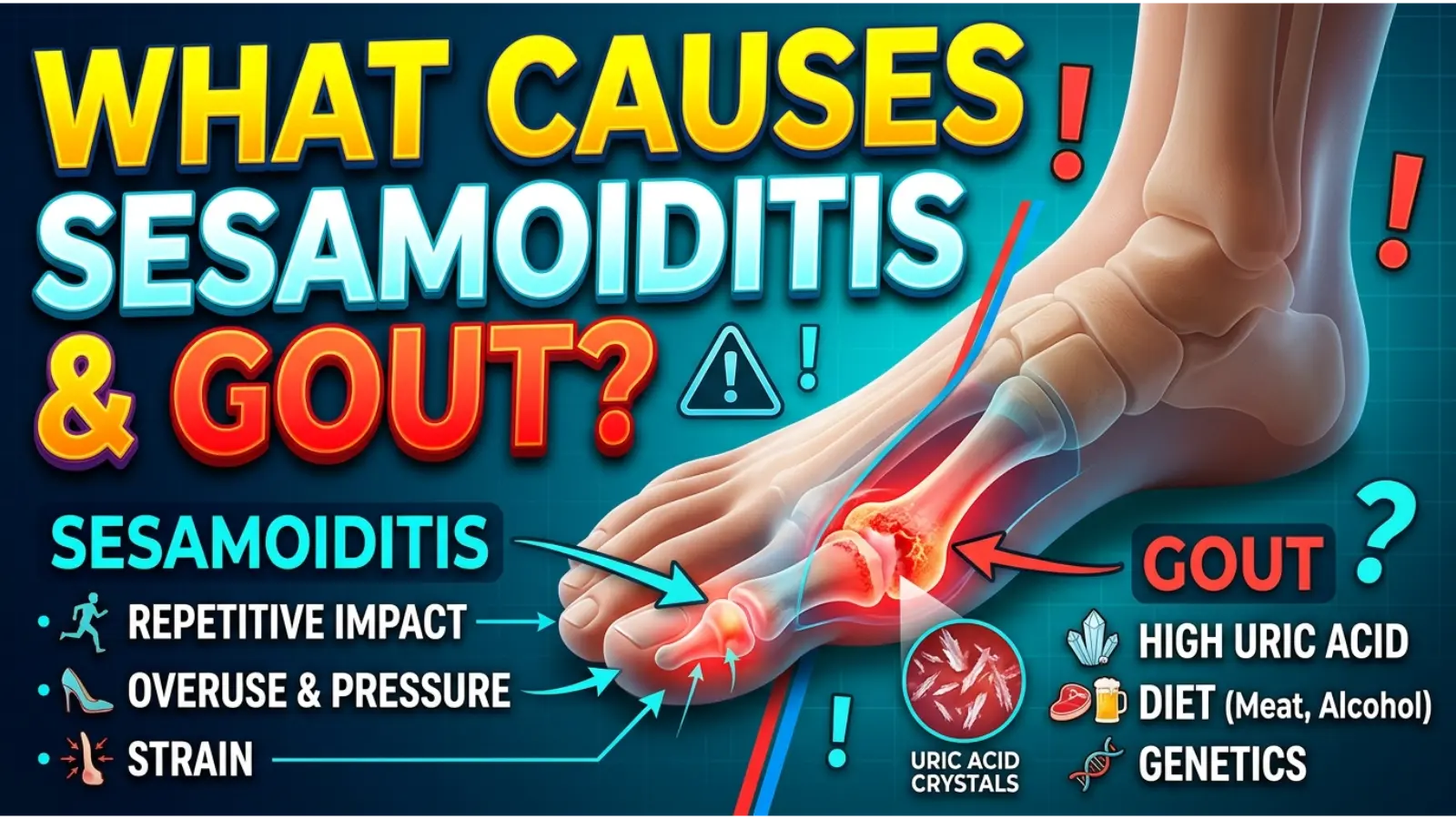
Sesamoiditis generally develops when excessive or repeated pressure irritates the sesamoid bones and surrounding tissues.
Possible causes and contributing factors include:
- Repetitive sports activities.
- Running on hard surfaces.
- Increased training intensity.
- Frequent jumping.
- Wearing high heels.
- Shoes with inadequate cushioning.
- Foot structure that increases pressure beneath the big toe.
- Repeated bending of the big toe.
People who participate in activities that place considerable weight on the ball of the foot may be more likely to experience sesamoid irritation.
Causes of Gout
Gout develops when urate crystals accumulate in joints and trigger inflammation. Uric acid forms when the body breaks down purines, which are substances found naturally in the body and in certain foods.
Factors that may contribute to gout include:
- Reduced kidney removal of uric acid.
- Genetic factors.
- Certain medications.
- Excessive alcohol consumption.
- Some high-purine foods.
- Certain health conditions.
- Dehydration in some circumstances.
Not everyone with elevated uric acid levels develops gout. A healthcare professional must consider symptoms, examination findings, and appropriate testing before making a diagnosis.
How Do Doctors Diagnose Sesamoiditis or Gout?
Doctors use different approaches to evaluate sesamoiditis and gout because the conditions have different underlying causes.
Diagnosing Sesamoiditis
A healthcare professional may examine the foot, ask about activities that cause pain, and assess tenderness beneath the big toe.
The examination may include:
- Checking the location of tenderness.
- Assessing big toe movement.
- Examining the foot during weight-bearing.
- Reviewing sports activities and footwear.
- Checking for possible fractures or other foot problems.
Imaging may help when the diagnosis is uncertain or when a fracture, bone abnormality, or other condition is suspected. X-rays can help evaluate the bones, while MRI may reveal soft-tissue irritation or stress-related changes that are not clearly visible on X-rays.
Diagnosing Gout
Doctors may diagnose gout by examining the affected joint and reviewing the patient’s symptoms and medical history.
Diagnostic tests may include:
- Joint-fluid analysis: A sample of joint fluid can be examined under a microscope for urate crystals.
- Blood tests: These may measure uric acid levels, although a blood test alone cannot confirm or exclude gout.
- Ultrasound: This may help identify urate crystal deposits.
- Special CT imaging: Certain scans can help detect urate deposits.
- X-rays: These may help assess joint damage or rule out other conditions.
Joint-fluid analysis can provide important evidence when doctors need to distinguish gout from other causes of joint inflammation.
How Is Sesamoiditis Treated?
Treatment for sesamoiditis generally focuses on reducing pressure and irritation beneath the big toe. The appropriate approach depends on the severity of symptoms and whether another condition, such as a fracture, is present.
Rest and Activity Modification
Reducing activities that cause pain can help relieve stress on the sesamoid bones. People may need to temporarily limit running, jumping, or other activities that place pressure on the forefoot.
Ice and Elevation
Applying a cold pack wrapped in a towel may help reduce discomfort and swelling. Elevating the foot can also help manage swelling.
Footwear Changes
Shoes with adequate cushioning, a supportive structure, and a suitable sole may reduce pressure beneath the big toe.
Some people may benefit from orthotics or cushioning pads designed to reduce pressure on the sesamoid area.
Pain Relief
A healthcare professional may recommend appropriate pain-relieving or anti-inflammatory medications. However, these medications may not be suitable for everyone, especially people with certain kidney, stomach, cardiovascular, or other health conditions.
Physical Therapy
A physical therapist may recommend exercises, movement adjustments, or other techniques to improve foot mechanics and reduce repetitive stress.
Persistent symptoms may require additional evaluation. In some cases, surgery may be considered when conservative treatment does not provide sufficient relief.
How Is Gout Treated?
Gout treatment focuses on relieving inflammation during attacks and preventing future attacks when necessary.
Medications for Gout Attacks
Healthcare professionals may prescribe or recommend medications to reduce pain and inflammation during gout attacks.
Depending on a person’s health and medical history, treatment may include:
- Nonsteroidal anti-inflammatory drugs (NSAIDs).
- Colchicine.
- Corticosteroids.
These treatments are not suitable for everyone. A healthcare professional should determine which medication is appropriate.
Medicines to Lower Uric Acid
Some people with gout need long-term medication to reduce uric acid levels and prevent future attacks or complications.
Medications such as allopurinol or febuxostat may be prescribed when appropriate. These medicines are used to manage uric acid levels rather than simply relieve pain during an attack.
Lifestyle Changes
Lifestyle adjustments may support gout management, although they cannot replace prescribed treatment when medication is needed.
Helpful measures may include:
- Drinking adequate water.
- Limiting alcohol.
- Reducing excessive intake of certain purine-rich foods.
- Maintaining a healthy weight.
- Staying physically active as tolerated.
- Following a healthcare professional’s treatment plan.
Gout management is individualized because different people have different triggers, medical conditions, and treatment needs.
Common Mistakes When Comparing Sesamoiditis and Gout
People often confuse sesamoiditis and gout because both conditions may cause pain around the big toe. However, several common misconceptions can lead to misunderstanding.
Assuming All Big Toe Pain Is Gout
Gout is a common cause of big toe pain, but it is not the only one. Sesamoiditis, fractures, infections, injuries, and other joint conditions can also cause pain in this area.
Assuming Sesamoiditis Always Causes Mild Pain
Sesamoiditis can cause considerable pain, particularly when pressure continues to irritate the affected area. The severity of pain does not automatically indicate gout.
Using Uric Acid Levels Alone to Diagnose Gout
High uric acid levels do not always mean a person has gout. Likewise, uric acid levels may not be elevated during every gout attack. Doctors consider symptoms, examinations, and other tests.
Continuing Activities That Make the Pain Worse
Continuing painful activities may increase irritation in sesamoiditis. In gout, delaying appropriate treatment may prolong an attack or contribute to complications.
Treating Both Conditions the Same Way
Sesamoiditis often requires reducing mechanical pressure, while gout may require medication to control inflammation and lower uric acid. The treatment plan should address the actual cause of the pain.
Examples of Sesamoiditis vs. Gout in Real-Life Situations
These examples illustrate how the conditions may present differently.
Example 1: A Runner With Gradual Foot Pain
A runner notices pain beneath the big toe after increasing training distance. The discomfort becomes worse during running, jumping, and walking barefoot.
This pattern may suggest sesamoiditis because the pain is localized beneath the big toe and develops after repetitive stress. However, a healthcare professional must evaluate the foot to confirm the cause.
Example 2: Sudden Big Toe Pain at Night
Someone wakes up with a swollen, red, extremely painful big toe. Even touching the joint or placing a bedsheet over it causes discomfort.
This pattern may suggest a gout attack because gout often causes sudden, severe joint inflammation. However, an infection or another condition can produce similar symptoms.
Example 3: Pain That Worsens With Footwear
A person experiences pain beneath the big toe while wearing thin-soled shoes or high heels. The discomfort improves when pressure on the forefoot decreases.
This pattern may be consistent with sesamoiditis because footwear and repetitive pressure can irritate the sesamoid bones and surrounding tissues.
Example 4: Repeated Big Toe Inflammation
Someone experiences several episodes of sudden big toe pain, swelling, and redness over months or years.
Repeated attacks may suggest gout, especially when other clinical findings support the diagnosis. However, recurrent foot inflammation still requires proper medical evaluation.
When Should You Seek Medical Attention?
Foot pain should not always be treated as a minor problem. Seek medical attention if you experience:
- Sudden, severe joint pain.
- Significant swelling or redness.
- Pain that prevents walking.
- Repeated episodes of joint inflammation.
- Symptoms that do not improve.
- A painful joint accompanied by fever or chills.
A hot, swollen joint accompanied by fever or chills may indicate a joint infection, which requires urgent medical evaluation. Do not assume that such symptoms are caused by gout.
Frequently Asked Questions
Is sesamoiditis the same as gout?
No. Sesamoiditis usually involves irritation or inflammation of the sesamoid bones and surrounding tissues beneath the big toe. Gout is an inflammatory arthritis caused by urate crystal accumulation in a joint.
Can sesamoiditis feel like gout?
Yes. Both conditions can cause pain, swelling, warmth, and tenderness around the big toe. However, sesamoiditis often causes localized pain beneath the big toe that worsens with pressure, while gout frequently causes sudden, intense joint inflammation.
Which is more painful, sesamoiditis or gout?
Both conditions can cause significant pain. Gout often produces sudden, severe pain during an attack, but sesamoiditis can also become extremely painful, particularly when walking or putting pressure on the affected area.
Does sesamoiditis cause redness and swelling?
Yes. Sesamoiditis may cause localized swelling, warmth, and sometimes redness. However, these symptoms are not specific to sesamoiditis and can occur with other conditions.
Can gout affect the sesamoid bones?
Gout can affect joints in the big toe region and may involve structures around the forefoot. However, pain in the sesamoid area does not automatically indicate gout. Doctors may use examination and imaging or joint-fluid analysis to distinguish the conditions.
Can sesamoiditis heal without surgery?
Many cases of sesamoiditis improve with conservative treatment, including activity modification, footwear changes, cushioning, and other measures recommended by a healthcare professional. Surgery is generally considered only in selected cases.
Can gout go away permanently?
Gout attacks may stop, but the underlying tendency to develop urate crystals can remain. Appropriate long-term treatment, including uric acid-lowering medication when indicated, can help prevent future attacks and complications.
How can I tell whether my big toe pain is sesamoiditis or gout?
Sesamoiditis often causes gradual, localized pain beneath the big toe that worsens with repetitive pressure. Gout often causes sudden, severe pain, swelling, redness, and warmth in a joint. However, symptoms overlap, so a medical examination is the safest way to determine the cause.
Conclusion
Sesamoiditis or gout may cause similar foot pain, but they are different conditions with different underlying causes. Sesamoiditis generally develops from repeated pressure or irritation around the sesamoid bones beneath the big toe, while gout occurs when urate crystals accumulate in a joint and trigger inflammation.
Although both conditions can affect walking, standing, and daily activities, their symptoms, diagnostic methods, and treatment approaches may differ. Sesamoiditis often improves with pressure reduction, appropriate footwear, and conservative care, whereas gout may require anti-inflammatory medications and long-term uric acid management.